Local

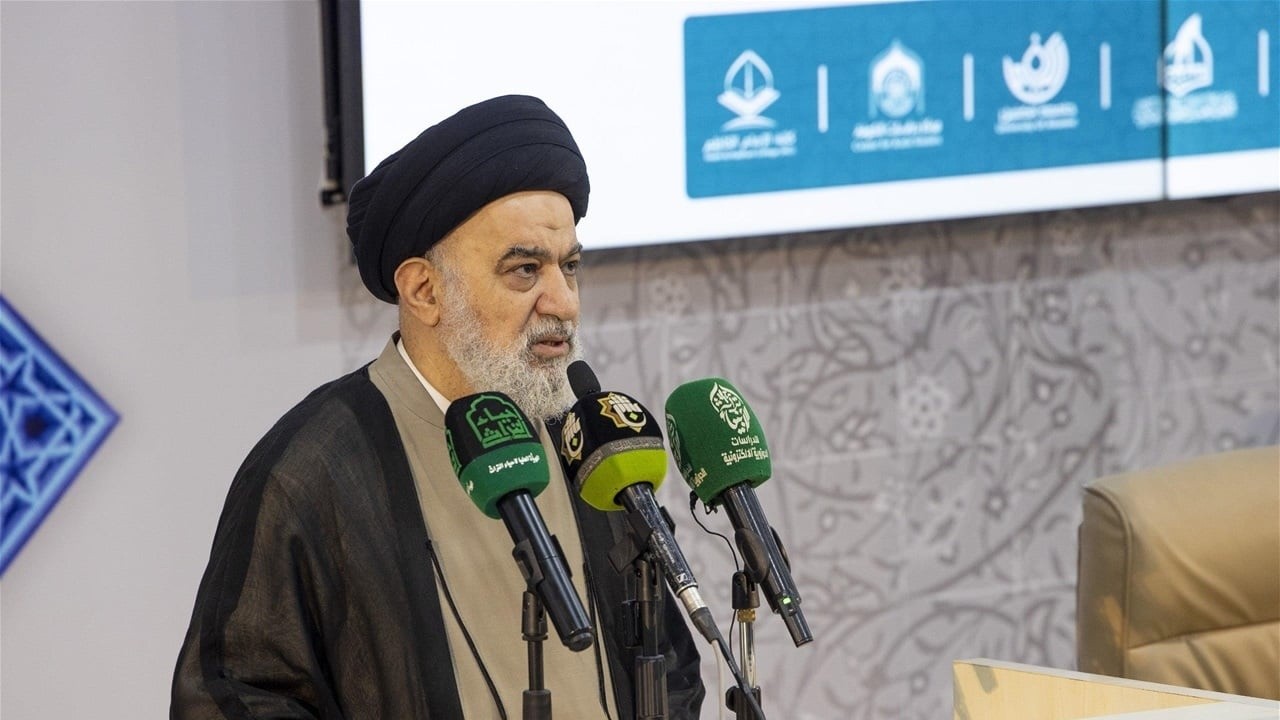
The representative of the religious authority, Sayyid Ahmed Al-Safi, emphasized that a millennium of scholarly contribution in the religious seminary represents a significant achievement, highlighting Najaf's historical distinction in embracing diverse fields of knowledge. During the second millennium conference of the religious seminary organized by the Abbasid Shrine, Al-Safi noted that sustaining the seminary for a thousand years is no small feat, especially considering the conflicts that led to the decline of many civilizations. He explained that Iraq has been a stage for numerous conflicts among successive states, impacting the overall situation. However, intellectual and jurisprudential efforts remained strong, helping to prevent discord and sometimes mediating between major powers to restore order. He pointed out that the presence of holy shrines in Iraq attracted many religious students, mentioning that Sheikh Al-Tusi chose Najaf as his place of residence, a decision that proved to be wise. Al-Safi stressed that the thousand years of intellectual and scholarly activity in Najaf warrant reflection and appreciation, expressing gratitude to all participants in the conference's scientific research. He also addressed two fundamental aspects of Najaf: first, the sacred soil associated with Amir Al-Mu'minin, felt by every visitor to the shrine; second, the intellectual diversity that made Najaf a rich center encompassing various types of knowledge from poetry and literature to jurisprudence and principles. He confirmed that the science of principles has expanded to include numerous issues, with the establishment of centers dedicated to the rich Najafi heritage. He noted that Najaf has experienced difficult periods that hindered the printing of many books, and the Hakim Public Library was looted in 1991, with some soldiers using books as fuel for cooking.