Technology

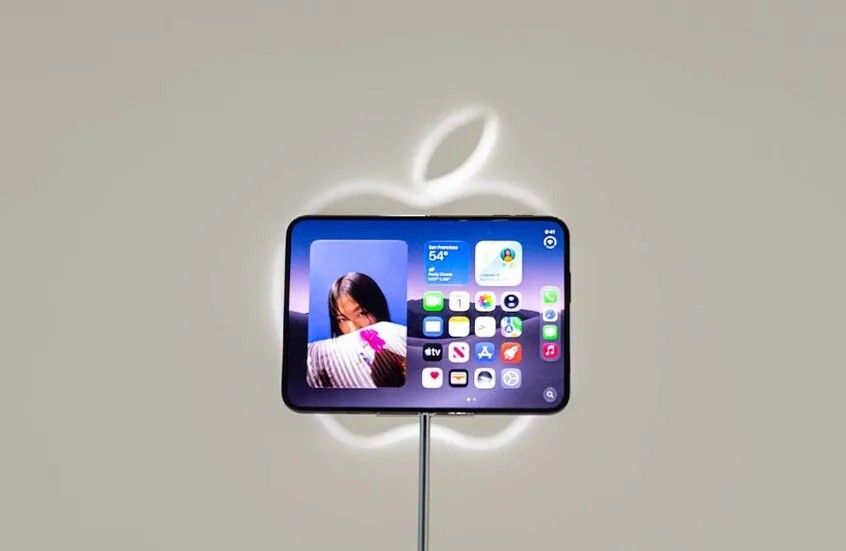
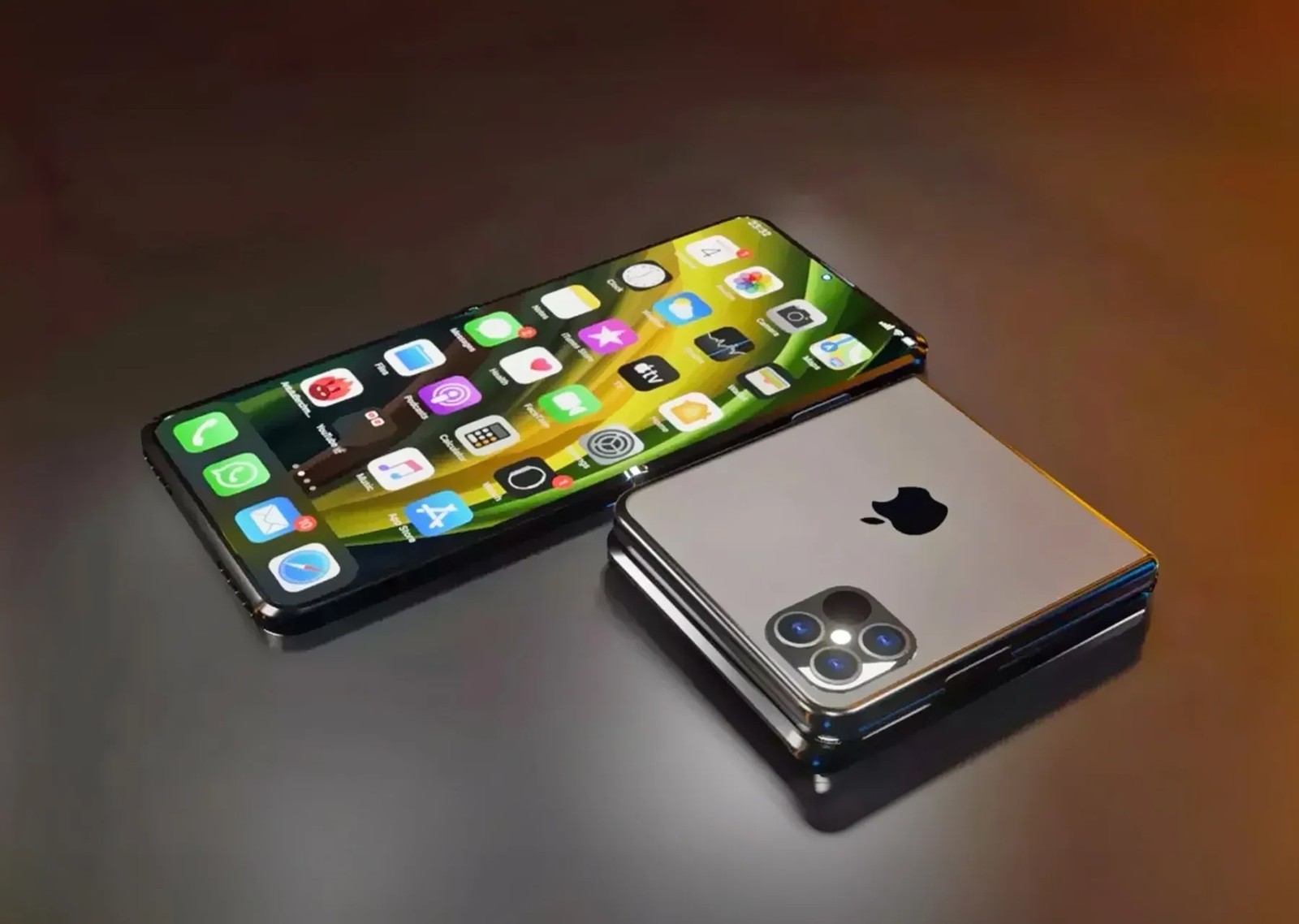
Apple recently unveiled its "iPhone Duo" foldable phone, the first device of its kind within the iPhone lineup, with an initial price tag of $1999. This move represents a radical shift in the external design of its most famous phones since the launch of the original version. However, the new phone has not been without controversy and widespread criticism, particularly from left-handed users, who have expressed concerns that the device's design may make it extremely difficult for them to use, with some even describing it as potentially "unusable" in practice. The "iPhone Duo" features the largest internal display in iPhone history, measuring 7.6 inches, alongside a 5.4-inch external screen. The phone weighs slightly over half a pound, and when folded, its thickness is just over 3 inches, making it easier to fit into a pocket. Apple describes the phone in its folded state as "compact and comfortable to hold," noting that it has moved "essential controls to the side" to facilitate access. It is precisely at this point that left-handed users see a fundamental design flaw. Unlike traditional iPhones, which typically place navigation bars and controls at the top or bottom of the screen, the "Duo" design places these elements on one side of the phone. This includes the "Touch ID" button, which replaces "Face ID" in this new model and is integrated into the side button. This arrangement has raised significant concern among left-handed users accustomed to holding their phones with their dominant (left) hand. The comments and concerns expressed by users have varied. One user on the "Reddit" platform questioned: "Are there other left-handed users who use their phones one-handed with their left hand? I'd like to own this phone, but I have a feeling they won't add a dedicated left-handed mode." Another user pointed out that the issue might not be limited to software solutions, given that the phone's design itself relies on fixed physical positions for multiple elements. Confirming this, a commenter on "YouTube" wrote: "It's more than just software. The Touch ID button, the outer screen, the cameras... they'd have to manufacture a mirrored version for left-handed users to get the same experience as right-handed users." Furthermore, other users have expressed a feeling that the design may discriminate against left-handed individuals. One commented: "Finally, someone pointed that out. Thank you. I already hate the idea. I use my left hand, and I don't want to hold the phone upside down even if they fix the issue with software." Others questioned whether this design represents an oversight concerning universal accessibility, pointing to cases such as individuals who have suffered a stroke or are unable to use their right hand for any reason. For its part, Apple confirms that the "Duo" already includes dedicated accessibility tools for people with visual, mobility, hearing, speech, or cognitive needs, including features such as "AssistiveTouch," "Switch Control," "Voice Control," and eye tracking. Despite these early criticisms, initial impressions from those who have directly tried the phone have been somewhat positive. Brian X. Chen, a consumer technology writer for "The New York Times," described the phone as extremely thin when unfolded and noted that its folded size is roughly akin to a passport. He found it to feel less bulky in his pocket compared to other foldable phones he had tested. Foldable phones still represent a small segment of the global mobile phone market, accounting for less than 2% of total sales, according to data from the market research firm "IDC." Nevertheless, the company anticipates that Apple's entry into this segment will lead to a significant increase in consumer interest in this category of phones, thereby helping to boost sales during the current year. The debate surrounding the "iPhone Duo" design remains largely theoretical, as most consumers have not yet had the opportunity to experience the device directly. The phone is scheduled for retail release on October 23, with pre-orders beginning on October 16, and Apple has not yet announced any dedicated left-handed mode.