Global

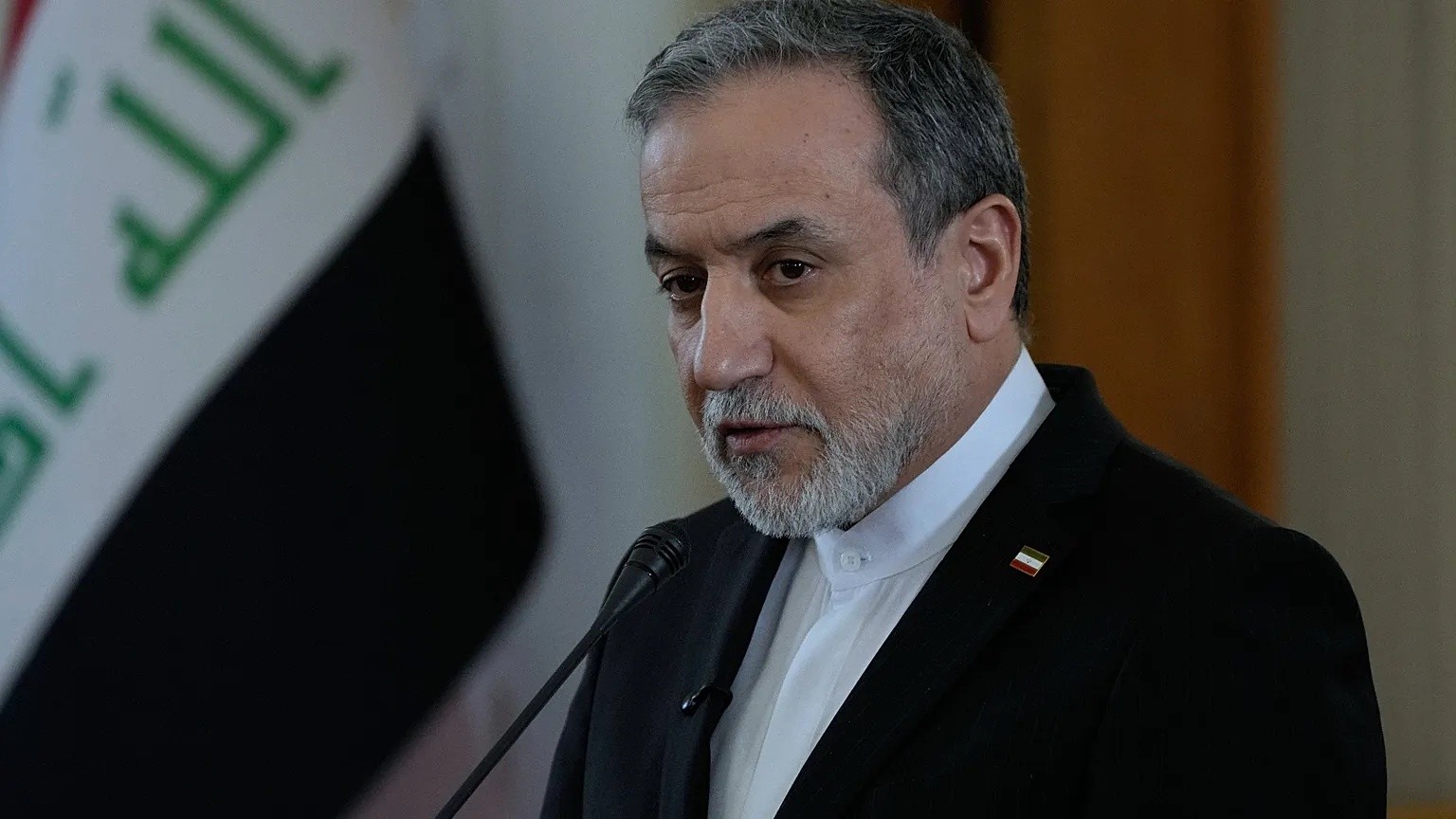
Iranian Foreign Minister Abbas Araghchi affirmed his country determination to defend its people sovereignty and legitimate interests by all available means, directly attributing the current regional instability and maritime navigation disruptions to aggressive actions committed by the United States and the Zionist entity, during an address delivered at the 52nd session of the Council of Foreign Ministers of the Organisation of Islamic Cooperation held in Baghdad. At the beginning of his address, the Iranian minister expressed sincere gratitude to the government and people of the Republic of Iraq, describing it as a brotherly neighbor, while commending the warm hospitality in a land that has historically served as a crossroads of civilizations. He noted that contemporary challenges make solidarity and dialogue among Islamic states more essential than ever, recalling the founding principles of the organization aimed at establishing a unified voice and safeguarding collective interests. Araghchi emphasized that keeping dialogue channels open reflects profound responsibility rather than weakness, observing that the organization charter aligns with United Nations principles regarding sovereign equality, territorial integrity, non-intervention, and peaceful conflict resolution. He cautioned that such values lose credibility when applied selectively, contrasting Tehran commitment to diplomacy and international conventions over the past two years with Washington aggressive policies centered on threats, political assassinations, and economic warfare. The minister detailed the toll of the military aggression launched by the United States and Israel, noting that approximately five thousand individuals lost their lives, including hundreds of women and children, alongside the severe breach of international law marked by the assassination of the Supreme Leader of the Islamic Republic and senior political and military officials. He cited documented instances of war crimes, including the killing of over 160 students and teachers in Minab, the cluster bomb attack on the Lamard stadium, the bombing of the water desalination plant on Qeshm Island, and the strike on a wedding in Kuhistak in Sirik. Rejecting efforts to invert realities by swapping the roles of victim and aggressor, Araghchi thanked nations expressing solidarity and urged the organization to adopt a decisive stance supporting a founding member integrity. He underlined that pursuing legitimate defense does not contradict peace, pointing out that Iran recognizes the devastation of warfare, requests no privileged treatment but equal enforcement of legal responsibilities, and rejects resolving disputes through battlefield force or extermination threats. Regarding maritime transit and energy commerce, Araghchi reiterated Iran devotion to securing navigation throughout the Strait of Hormuz, which remained fully accessible until February 28 2026, explaining that subsequent disruptions stem directly from hostile attacks, and asserting that stability cannot return while maintaining bombardments and sieges. He noted that diplomatic endeavors previously demonstrated efficacy through the good offices of Pakistan supported by Qatar, yielding the Islamabad Memorandum of Understanding on June 17, under whose fifth clause Iran engaged in technical negotiations with the Sultanate of Oman to ensure safe passage. He concluded by noting that maritime movement recovered roughly 60% of pre-conflict levels within a fortnight, until unilateral American interventions and renewed strikes prevented the implementation of the accord and bypassed established settlement mechanisms.