Technology
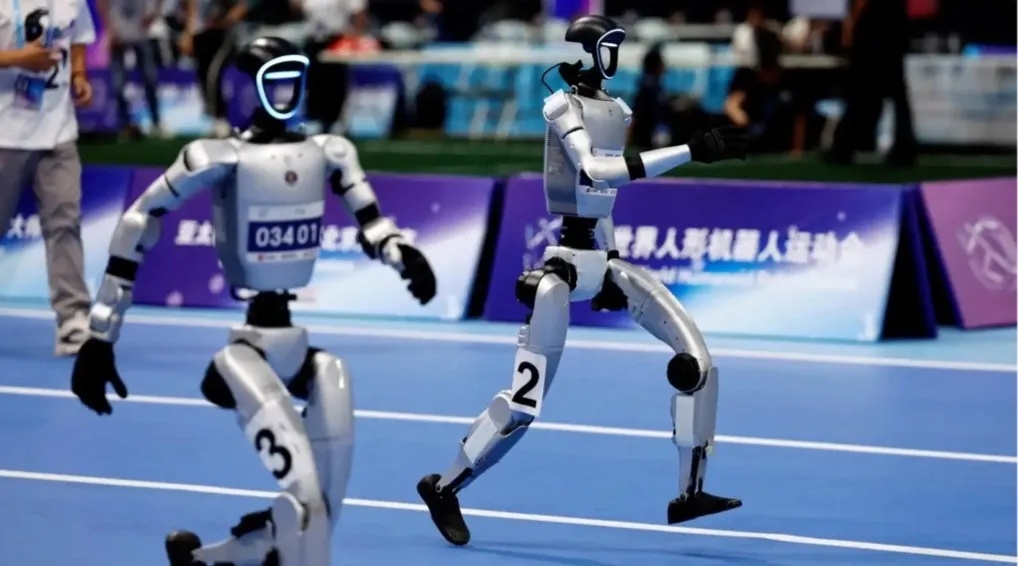
Beijing, the Chinese capital, is gearing up to host the 2026 World Robot Games, featuring the participation of 2056 humanoid robots. The event blends sports, artificial intelligence, and robotics, presenting a spectacle reminiscent of science fiction films. Six hundred and sixty-six teams from 16 countries will compete in over 30 diverse events, aiming to test robots' capabilities beyond controlled laboratory environments. The competitions are not limited to showcasing robots' ability to walk or run; they encompass a wide array of sports and tasks demanding precise movement, balance, coordination, and decision-making capabilities. Robots will compete in sports familiar to humans, including football, running, weightlifting, table tennis, long jump, and tug-of-war. The objective of these competitions extends beyond mere entertainment; every movement represents a test of the robots' ability to control their bodies, maintain balance, and interact with dynamic environments—key challenges in the development of humanoid robots. Football holds particular significance, as it combines computer vision, rapid movement, strategic planning, decision-making, and interaction with other robots. The games are not confined to sports; they also include tasks simulating real-world work environments in factories, hotels, and retail stores. The broader goal of the competition is to assess the robots' capacity to transition from experimental demonstrations to performing practical tasks encountered in daily life. The event underscores the accelerating competition among companies and institutions developing humanoid robots, supported by advancements in artificial intelligence that enhance their ability to understand and interact with their surroundings. With 2056 robots, Beijing is transforming into a massive laboratory to test the future of robotics. The question is no longer merely: Can robots walk like humans? But rather: Can they work, compete, and effectively interact with us in the real world?