
Technology

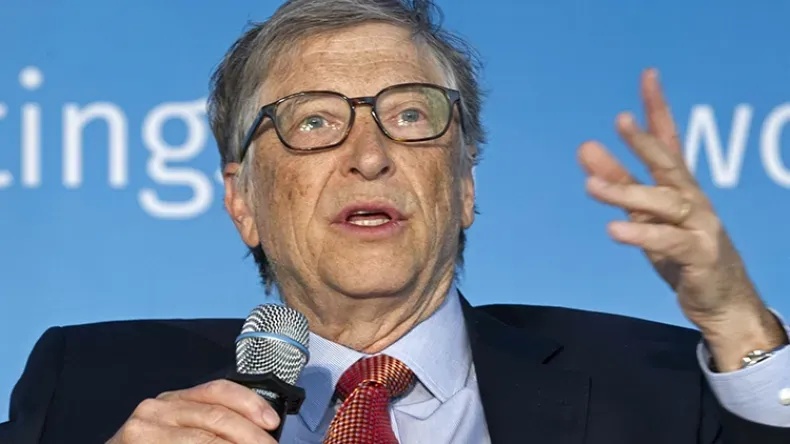
Bill Gates, co-founder of Microsoft, warned that the world is not prepared to face the major risks posed by artificial intelligence in an article published on Wednesday, August 26. He expressed deep concern about the rapid acceleration in AI technology development, noting that it is advancing much faster than governments and societies can prepare for its consequences. Gates identified three main threats from AI: job displacement, empowerment of criminals, and negative impacts on children's growth and social development. In his article shared with a leading magazine, he stated that AI could either be the greatest tool for equality or the worst source of injustice, emphasizing the magnitude of the challenge. He stressed that the top priority must be ensuring AI is used as a force for good, but lamented the lack of adequate preparation by leaders, experts, and communities to address these challenges, and the absence of a clear plan to facilitate the transition into the AI era. Regarding the first threat, Gates warned that many jobs will disappear permanently, with a particular concern for entry-level positions that young people rely on. He noted that roles such as customer support, software engineering, and legal work will be affected, while industries like construction and hospitality will see a shift towards robotics by the end of the decade. The second threat involves criminals exploiting AI for fraud, misinformation, deepfakes, and surveillance. Gates cautioned that even low-skilled criminals will be able to target victims at all levels—individuals, companies, and governments. He added that the same applies to biological terrorism, where AI could facilitate the design of new deadly diseases despite its life-saving advances in medicine and vaccines. The third threat concerns AI's impact on children's development. Gates, a father of three, fears that AI may hinder children's growth and replace human relationships. He explained that as a child, he worked hard to develop social skills and friendships but doubts he would have made the same effort if he had an AI companion providing comforting interaction without challenges. He also highlighted the positive aspects of AI, including benefits in healthcare, education, and agriculture, as well as simplifying citizens' lives and enhancing government efficiency. Gates pointed out that AI can streamline complex application processes for assistance related to education, health, or food, creating a significant positive impact. Gates concluded by emphasizing that the benefits of AI, when multiplied across millions of lives, will be profound: more people will receive good advice when needed and enjoy greater freedom to build the lives they desire.