Technology

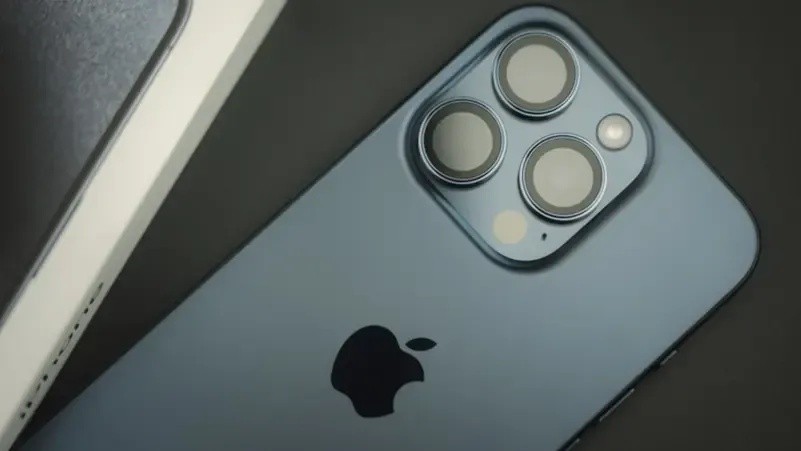
Japan has emerged as a surprising destination for competitively priced smartphones globally, challenging major economies like the United States and China in the race to offer the lowest-cost iPhone devices. Apple stores in Japanese cities such as Tokyo and Osaka have become key attractions for international tourists and shoppers seeking significant savings, potentially hundreds of dollars, when acquiring the latest devices from the American company. This trend has led many global price comparison platforms to categorize Japan among the most economical markets for purchasing iPhones. Data from platforms specializing in global Apple product price comparisons indicated that Japan was among the three cheapest countries for purchasing the iPhone 16 upon its launch, directly following the United States and China. The basic model of the device in Japan was priced at approximately 124,800 Japanese Yen (equivalent to about $800 USD), a significantly lower level than prices recorded in numerous other markets worldwide, including Europe, Brazil, and Turkey. The primary factor behind this phenomenon lies in the currency market, rather than in Apple's manufacturing processes. For years, the Japanese Yen has experienced a noticeable weakness against the U.S. dollar, largely due to the substantial gap between interest rates in Japan and those in the United States. This economic situation prompted Apple to maintain relatively lower prices for its devices within the Japanese market compared to other international markets for an extended period. For foreign consumers holding dollars or dollar-pegged currencies, the depreciated Yen automatically translates into a highly attractive deal when calculated in dollars. This situation has led some entities involved in monitoring Apple prices to consider the decline in the Japanese currency's value as making Japan one of Asia's most cost-effective markets for acquiring the company's devices, especially when leveraging tax-exempt shopping options available to tourists. In addition to the favorable exchange rate, Japan offers foreign visitors the opportunity to purchase products from major electronics retailers, such as Bic Camera and Yodobashi Camera, without incurring the 10% consumption tax in many instances. This tax exemption provides international buyers with an additional layer of savings, complementing the advantage derived from the favorable exchange rate. According to recently published estimates, some buyers can save between 10% and 25% compared to phone prices in their home markets when purchasing iPhones from Japan. This saving percentage depends on the buyer's country of origin and the prevailing exchange rate at the time of purchase. Paradoxically, Apple maintained stable iPhone prices in Japan for longer than many analysts anticipated, despite the significant decline in the Yen's value. Specialized media reports indicated that the company was absorbing part of the impact of currency fluctuations to preserve its competitiveness in the Japanese market, which kept prices there lower than in many other developed economies. However, this pricing strategy could not continue indefinitely. Indeed, in July 2026, Apple raised iPhone prices in Japan by a percentage ranging between 8% and 11%, depending on the model. This step represented the most significant regional price adjustment seen in the Japanese market in many years, as noted by specialized media reports monitoring technology news. The price of the basic iPhone 16, for instance, rose from 114,800 Yen (approximately $736.13) to 124,800 Yen (approximately $800.26), while some newer models saw increases exceeding 20,000 Yen. Most analyses attributed this move primarily to the continued weakness of the Japanese Yen, rather than solely to rising component costs. Despite the recent wave of increases, Japan largely retains a notable pricing advantage compared to numerous global markets. Analysts state that Japanese prices remain attractive due to a confluence of three factors: the enduring weakness of the Yen, tax exemptions available to tourists, and Apple's specific local pricing strategy. For the average consumer, this might seem like merely a price difference for a phone, but in reality, it reflects a broader economic story: a depreciated currency has contributed to making one of the world's most popular tech products more affordable in Japan compared to wealthier nations with stronger currencies. Thus, while investors monitor the movements of the Bank of Japan and the Federal Reserve, iPhone enthusiasts also keep a watchful eye on the Yen's value, recognizing it as a pivotal, often unseen, factor determining where the world's most popular phone can be purchased at the lowest cost.