Global

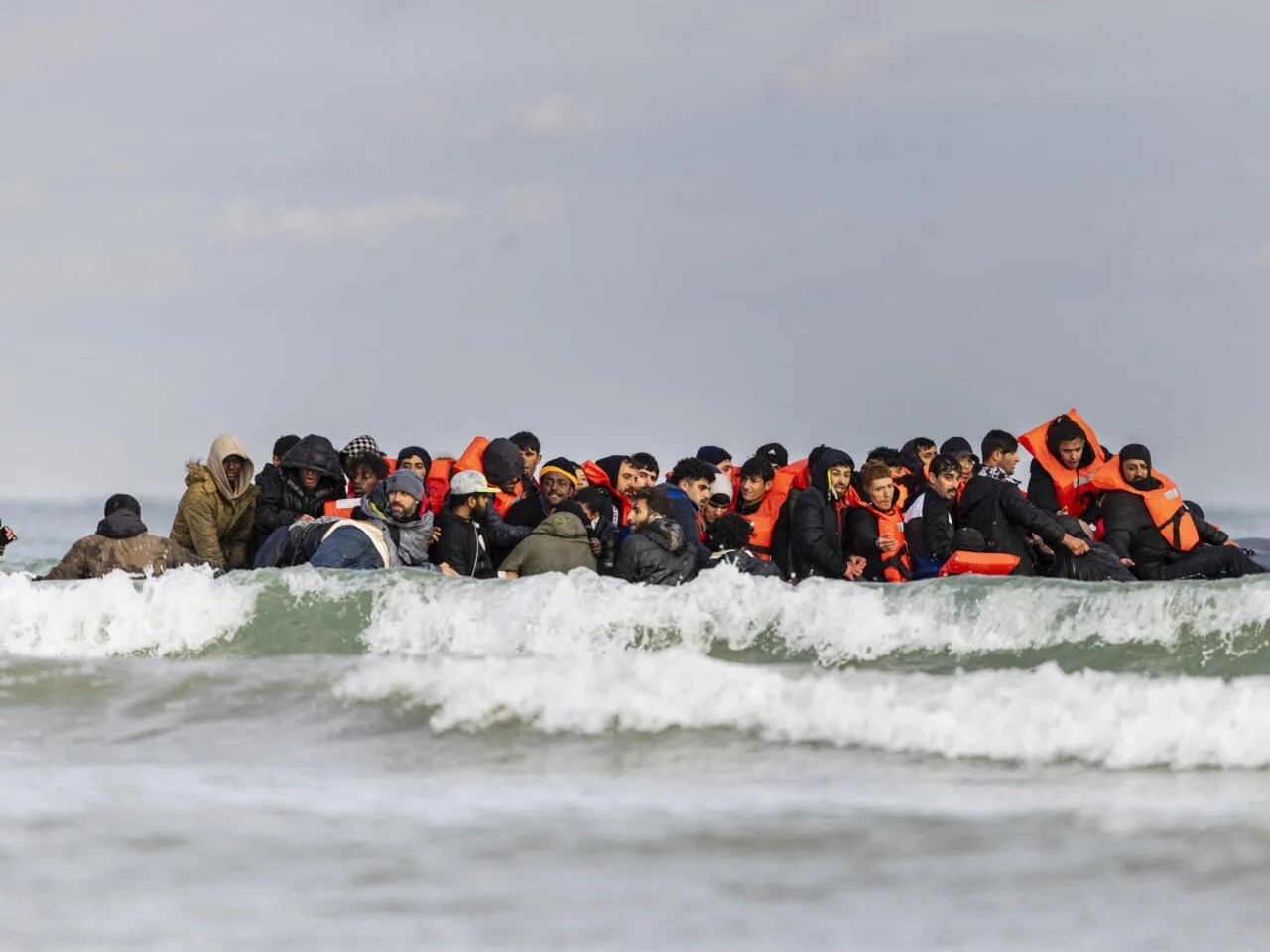
The European Border and Coast Guard Agency (Frontex) is escalating its efforts to address the challenges of migration in the English Channel and the North Sea, deploying boats to support search and rescue operations. This development follows high-level discussions between French and British leaders, who recently met to address the complex issue of migration. Officials confirmed that Frontex will deploy two Spanish vessels during September and October, to be followed by a Lithuanian vessel that will remain in service until January. These boats will join existing French patrols, aiming to assist in locating and rescuing migrants navigating what is one of the world's busiest and most perilous shipping lanes. The English Channel frequently witnesses tragic incidents, largely due to its strong currents and small boats often overloaded by human smugglers, making them barely seaworthy and endangering migrants' lives. For instance, in August, French coast guards were compelled to rescue 157 individuals from a boat that caught fire, highlighting the extreme risks involved. In a statement, the French-based Maritime Prefecture for the Channel and the North Sea affirmed that Frontex’s support is "a response to the ongoing migration crisis in the Channel, and will deploy patrol vessels in support of the temporary French deployment for search and rescue operations." Migration remains one of Europe's most politically divisive issues, particularly in Britain, where the ruling Labour Party faces considerable pressure from the populist Reform Party, which has vowed to halt migrant arrivals via small boats. In a concerted bilateral effort, the UK announced in April that it would provide France with up to £660 million ($892.72 million) under a three-year border security agreement. This pact aims to curb irregular migrant crossings of the Channel, with a portion of the funding contingent upon achieving specific results. Furthermore, last year, both countries agreed on a pilot scheme known as "one in, one out," whereby France would accept the return of unregistered migrants arriving in Britain on small boats, in exchange for London agreeing to take an equivalent number of regular asylum seekers with family ties in the UK.