Eco

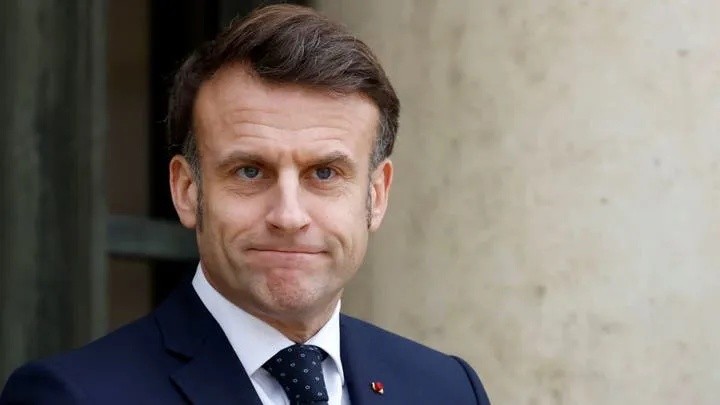
French President Emmanuel Macron has issued stringent directives to his government, calling for a comprehensive mobilization to ensure the continuous supply of fuel across the nation, while also focusing on controlling escalating prices. This move comes amid a sustained rise in fuel costs and increasing social pressures recently observed in France. For her part, Government Spokesperson Maud Bregeon reported that approximately 10% of fuel stations in France are currently facing difficulties in providing at least one type of fuel, with the vast majority of these stations belonging to the TotalEnergies network. Following a Cabinet meeting held on Wednesday, September 16, Bregeon affirmed that "the priority in the coming days and weeks is to secure the necessary supplies and quantities, including by strengthening cooperation with other countries to provide fuel." In a related context, Bregeon indicated that the government is also exploring the possibility of granting greater flexibility in European-level regulatory rules, particularly those related to refineries, with the aim of easing some restrictions imposed on the sector. She clarified that the primary objective of these measures is to drive fuel prices down as much as possible, or at least to manage the pace of their increase. These developments follow a significant surge in fuel prices, which began since the outbreak of the war between Iran and the United States, with prices approaching record levels not seen in four years. This price hike coincided with rising protests and social pressures across France, evoking calls for demonstrations reminiscent of the Yellow Vest movement. The country has also witnessed actions targeting oil depots; on Wednesday, approximately 100 fishermen blocked an oil depot in Frontignan, Hérault, in protest against soaring fuel costs. In the face of these escalating challenges concerning fuel prices and supplies, Bregeon noted that the government does not rule out taking additional measures, describing the situation as "having become more difficult, especially in recent weeks." The spokesperson declined to specify a timeline for these potential actions, emphasizing that the government is closely monitoring developments and carefully considering all available options.