
policy

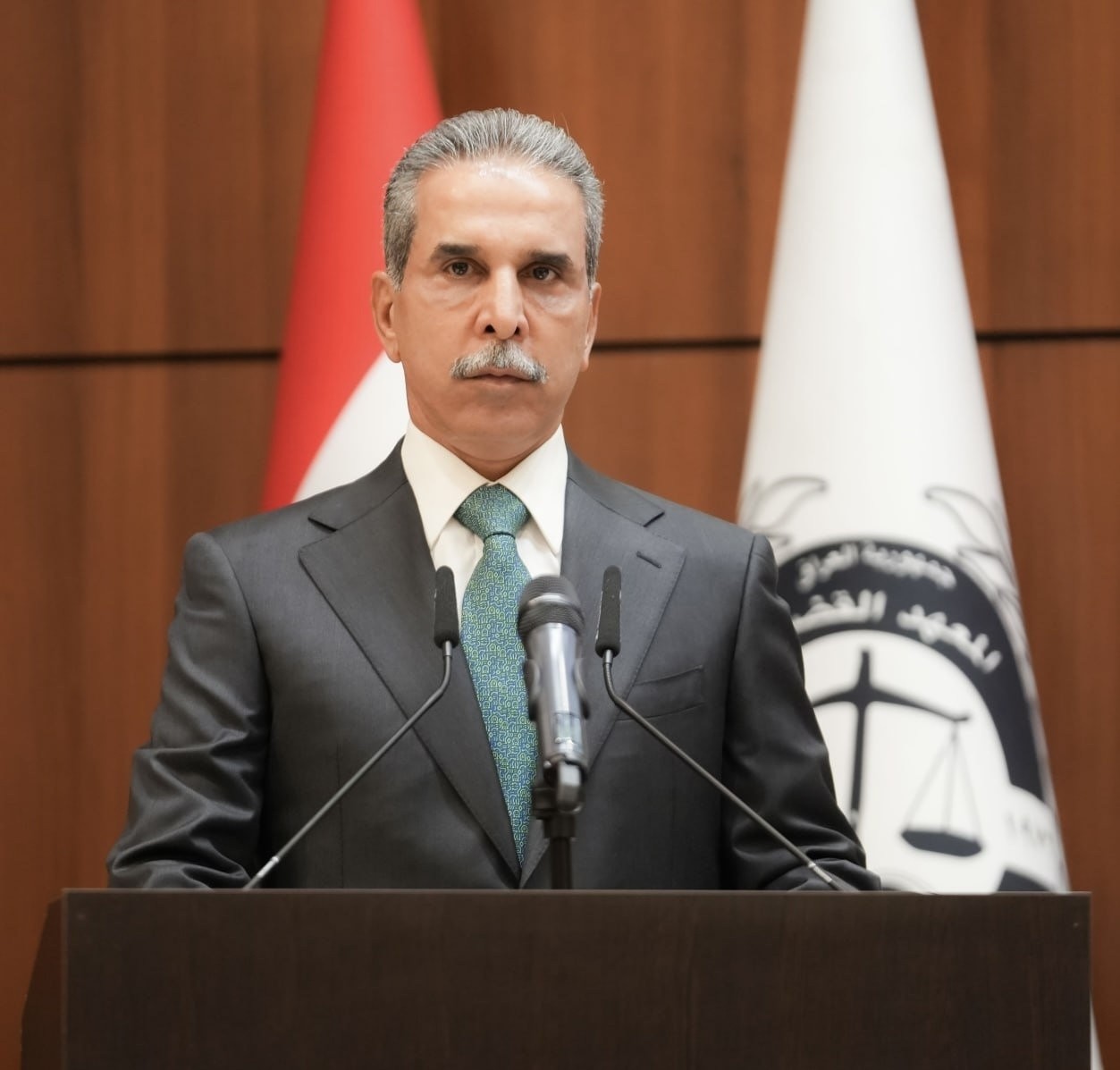
Within the context of evaluating the trajectory of the political system and state institutions two decades after the adoption of the country's foundational document, official judicial demands have emerged calling for the necessity of reviewing the supreme legal texts and addressing the gaps that appeared during practical implementation. In this context, the President of the Supreme Judicial Council, Judge Faiq Zaidan, confirmed on Thursday that respecting the constitution and adhering to it requires addressing flaws and updating some of its texts, pointing out that the House of Representatives faces a national and historical responsibility to review the constitution and make the necessary amendments. Judge Zaidan said in a statement that on the 21st anniversary of the referendum on the permanent Iraqi constitution in 2005, we recall with reverence the great sacrifices that paved the way for its approval, and we express our appreciation and gratitude to the supreme religious authority and the sons of our Iraqi people who voted in its favor, and we also appreciate the role of the international community in supporting Iraq and backing the constitutional process during that pivotal phase. He added that respecting the constitution and adhering to it requires addressing flaws and updating some of its texts, more than two decades after its drafting in delicate and sensitive transitional circumstances, especially since experience revealed problems in application and interpretation, which contributed to disrupting constitutional entitlements, most notably those related to parliamentary majorities, the election of the President of the Republic, determining the largest parliamentary bloc, and other controversial paragraphs. He affirmed that the House of Representatives today faces a national and historical responsibility to review these provisions and make the necessary amendments, according to the mechanisms drawn by the constitution, and in a manner that aligns with the law and the will of the people, alongside updating legislations to keep pace with the requirements of the state and the development of its democratic experience, enhancing state sovereignty and the law, strengthening its institutions, and safeguarding society's rights and individuals' freedoms under the pluralistic democratic system to which we all aspire.