Global

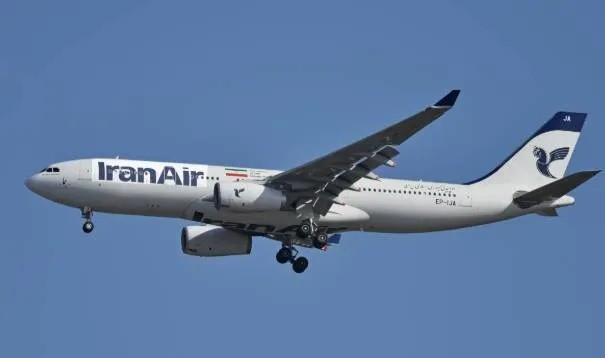
Iranian airlines have suspended all their flights to the United Arab Emirates since midnight last night. This move comes amidst escalating international pressure on Iran's aviation sector and the implementation of widespread U.S. sanctions targeting this vital industry. This measure follows the expiration of a deadline set by Washington to halt dealings with Iranian airlines, prompting uncertainty about the future of Iranian international flights. Immediate disruptions followed these cancellations across various air routes. Majid Akhawan, spokesperson for Iran's Civil Aviation Organization, stated Turkmenistan denied Iranian airlines airspace permission, forcing a Tehran-Dushanbe flight back to Imam Khomeini International Airport. Akhawan advised passengers to seek information from relevant authorities before traveling to avoid unforeseen issues. These developments stem from earlier comprehensive sanctions by the U.S. Treasury Department on 35 entities and individuals tied to Iran's aviation sector, including 27 airlines. Treasury Secretary Scott Besant stated that Iranian companies' foreign activities would cease, cautioning that providing them fuel, ground services, or ticket sales could risk exclusion from the U.S. financial system for service providers. While these sanctions don't automatically close other countries' airspace to Iranian aircraft, sustained international flights depend on essential services like fuel, ground services, ticket sales, and banking. This situation exposes foreign companies collaborating with Iranian airlines to secondary U.S. sanctions, prompting many to re-evaluate their operations. Despite Washington's deadline expiration, some international flights continue to specific destinations. "Bloomberg," citing "FlightRadar24" data, reported Iranian aircraft departing for Bangkok and Phuket in Thailand, Shanghai in China, and Kabul in Afghanistan. Bawina Jariyatitipong, President of Airports of Thailand, clarified her company lacks authority to halt flights operating under international rules, having received no official directives, but acknowledged possible suspension with a formal order. On the international stance, the People's Republic of China described the U.S. sanctions imposed on the Iranian aviation sector as "illegal." Chinese Foreign Ministry spokesperson Guo Jiakun stated that Beijing consistently rejects "unilateral sanctions" that do not align with the principles of international law and have not been approved by the United Nations, reiterating its opposition to such measures. Regarding other routes, information varied concerning flights to Turkey. While "Bloomberg" reported tracking at least seven Iranian commercial flights departing from Tehran for Istanbul, including flights by state-owned "Iran Air" and by "Waresh" and "Iran Airtour" to Izmir, a passenger intending to travel from Tehran to Istanbul reported being unable to find any available flights, indicating instability in flight availability. According to a travel agency in Tehran, cited by "Agence France-Presse," flights to Baghdad, Muscat, Qatar, Georgia, and Azerbaijan have ceased. Confirming these measures, "Reuters" reported Iraq's government ordered suspension of Iranian air travel to Baghdad. Majid Akhawan, spokesperson for Iran's Civil Aviation Organization, also announced flights to Baghdad and Muscat were cancelled, noting authorities are coordinating to reroute Baghdad-bound flights to Najaf International Airport. Several international airlines have taken similar actions. "Turkish Airlines" halted flights to Iran until at least March 2027. "Emirates" suspended flights to Tehran. "Lufthansa" and "Austrian Airlines" extended their suspensions until October 24, 2026. "Qatar Airways" ceased flights to Iran due to airspace restrictions, with a temporary resumption scheduled for November 29, 2026. "Aegean Airlines" also canceled all its flights to and from Iran, reflecting the broad impact of sanctions on regional and global air traffic.