Global

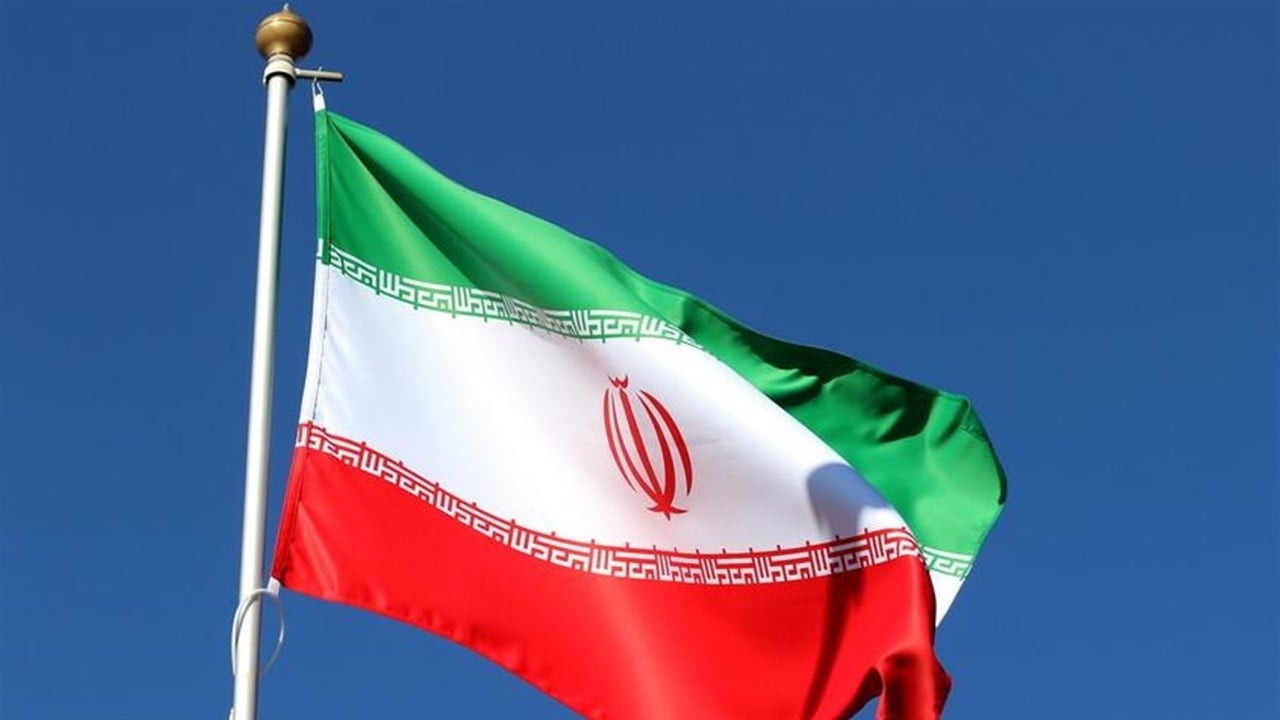
Amid ongoing and escalating tensions in the waters of the Arabian Gulf, accompanied by highly delicate security challenges affecting international trade and vital energy supply lines, prominent political and diplomatic developments have emerged regarding the regulation of vital maritime navigation. In this broader context, Iranian Foreign Ministry official spokesperson Esmail Baghaei announced the achievement of a formal and significant consensus between the Iranian capital, Tehran, and the Sultanate of Oman, stipulating the determination of precise coordinates for safe lanes within the strategic Strait of Hormuz. The spokesperson explained that both sides successfully reached comprehensive understandings regarding the executive mechanism for presenting this agreement to the competent international maritime safety authority, stressing that this regulatory step will be finalized and officially announced in the near future. The Iranian official added during his statements that his country has spared no effort throughout the past period, through continuous consultation channels and permanent coordination with the Sultanate of Oman, to restore the desired stability and security to the sensitive waterway. He drew attention to the fact that these bilateral consultations took place in a positive atmosphere and very well, reflecting the depth of relations between the two countries. In a related context, the spokesperson stressed that the file of maritime navigation security in the Strait of Hormuz is of utmost and direct importance to Iran, exceeding the interest of any other regional or international party, while directly accusing the United States of America of being primarily responsible for the state of turbulence and instability through practices and actions he described as sabotage. On a separate yet related level concerning the file of calm and diplomatic interactions, the official touched upon the course of indirect negotiations currently underway with Washington, stating that the process of exchanging diplomatic messages between the two parties regularly takes place through regional intermediaries, and that Iran's official response to the American proposals and presented ideas will be submitted through the same mechanism and approved mediation channels. He pointed out that Tehran was keen to clarify its observations and basic conditions in full to end what he described as the "imposed war" on various fronts, in addition to efforts to restore comprehensive security to the Gulf region and the Strait of Hormuz. In conclusion, and in response to American accusations directed at his country, Baghaei considered that the policy of "blaming others" will never succeed in obscuring the pressing popular demands of the American and global public opinion for the necessity of holding accountable the parties and entities responsible for the outbreak of the war.