policy

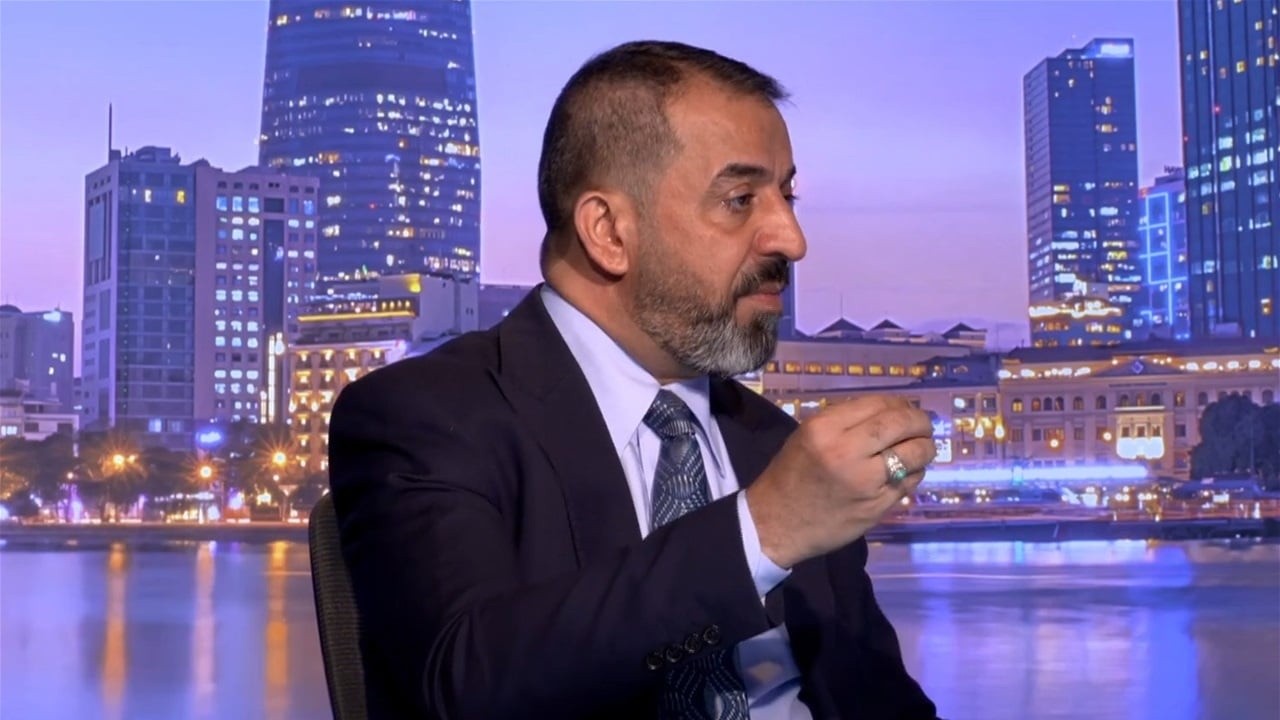
The spokesperson for the Supreme Islamic Council, Ali al-Defaei, revealed on Thursday that Iraqi factions are prepared to negotiate on the issue of weapons containment. He affirmed their understanding of the concept that their power should become an integral part of the state's force, operating under the command of the Commander-in-Chief of the Armed Forces. However, al-Defaei emphasized that this transition is contingent upon achieving what he described as "complete and comprehensive sovereignty" for the country. Speaking during a television program, al-Defaei clarified that the process of weapons containment necessitates several pivotal measures. These include disassociating weapon bearers from political organizations, conducting a comprehensive inventory, organization, and enumeration of arms, and directly linking them to the Commander-in-Chief of the Armed Forces. Furthermore, this process requires the enactment of specific legal legislations concerning retirement and the structural framework pertinent to the Popular Mobilization Forces (PMF) formations. Al-Defaei added, citing outcomes from previous dialogues with the factions, that they desire their weaponry to transform into a supportive force for the state. Nevertheless, they have conditioned this upon addressing sensitive issues, such as the presence of foreign armed forces on Iraqi soil, alongside establishing firm control over national borders and airspace. He explicitly stated that "otherwise, there will be no containment of weapons." Al-Defaei indicated that if all these conditions are met, the very notion of "factions" will cease to exist. Political leaders would then transition into political work, while field commanders and soldiers would remain within the Popular Mobilization Forces' structure, but under a formal military framework recognized by the state.