policy

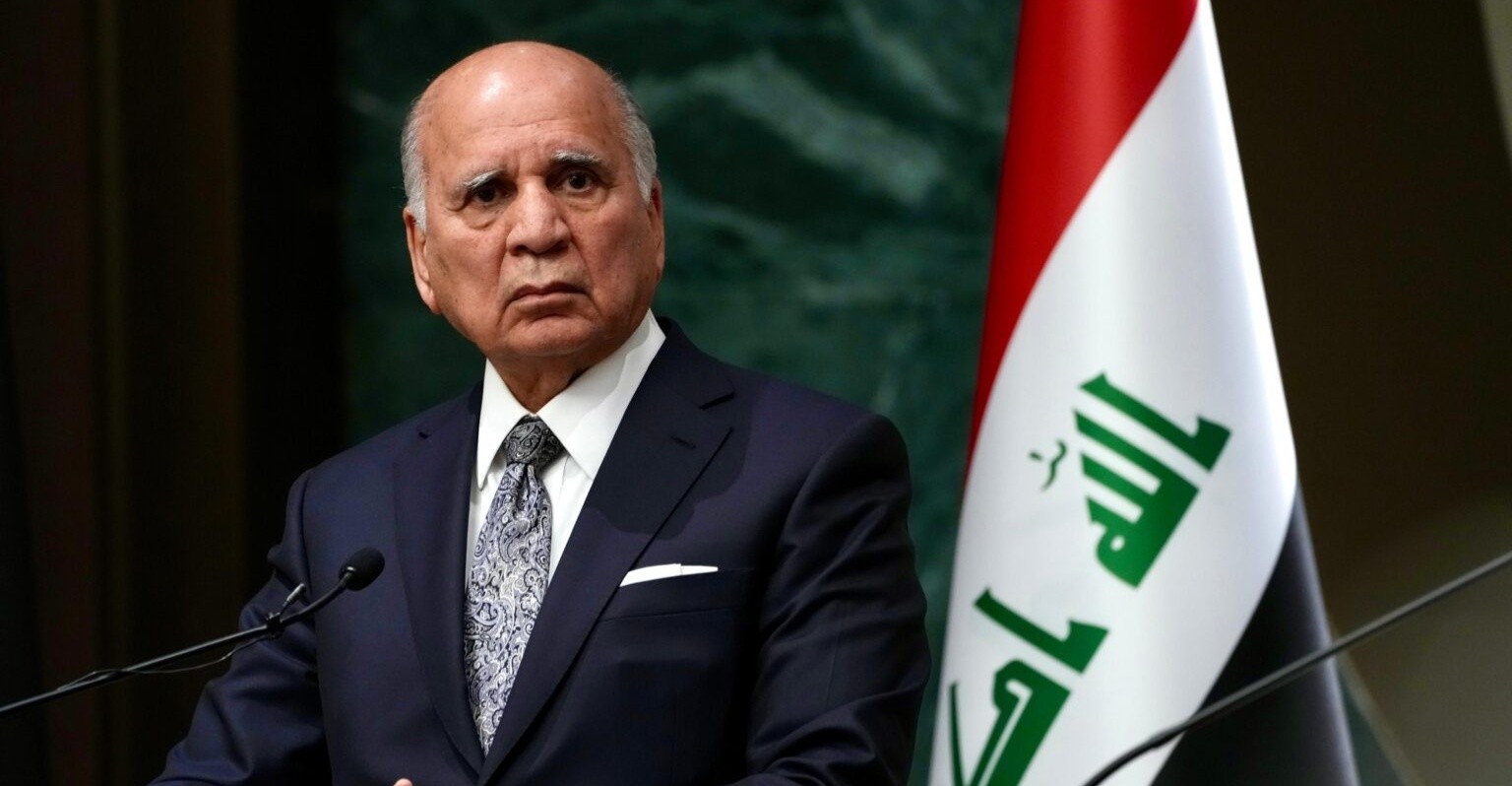
Iraqi Foreign Minister Fouad Hussein confirmed that Washington has officially requested Iraq to close all its border crossings with Iran except for two, highlighting escalating regional tensions. In a televised interview, the minister stated that current conditions suggest a possible resurgence of conflict in the area, noting that Iraq suffered significant financial losses amounting to approximately 60 billion dollars due to the halt of oil exports through the Strait of Hormuz. He pointed out that oil exports via the strait resumed following agreements with Washington and Tehran, reflecting the complex political and economic situation in the region. The minister affirmed that Baghdad has communicated to Tehran its acceptance of friendship and alliance but rejects interference in its internal affairs, adding that there is intelligence about external parties using Iraqi territory to attack neighboring countries. Regarding relations with Saudi Arabia, he explained that Iraq seeks to resolve disputes through frank dialogue. Concerning the monopoly of weapons by the state, he stressed that this should be achieved through dialogue rather than armed confrontation, with ongoing communications with Iran about the arms issue of Iraqi factions. He added that the Prime Minister reached understandings with four factions regarding weapons, with Asa'ib Ahl al-Haq and Kata'ib Sayyid al-Shuhada agreeing to control their arms, while negotiations continue with Harakat al-Nujaba and Kata'ib Hezbollah. He also revealed the presence of ISIS groups on the Syrian side of the border with Iraq, mentioning a quadripartite committee including Iraq, Syria, Jordan, and Turkey to combat the organization in Syria.