policy

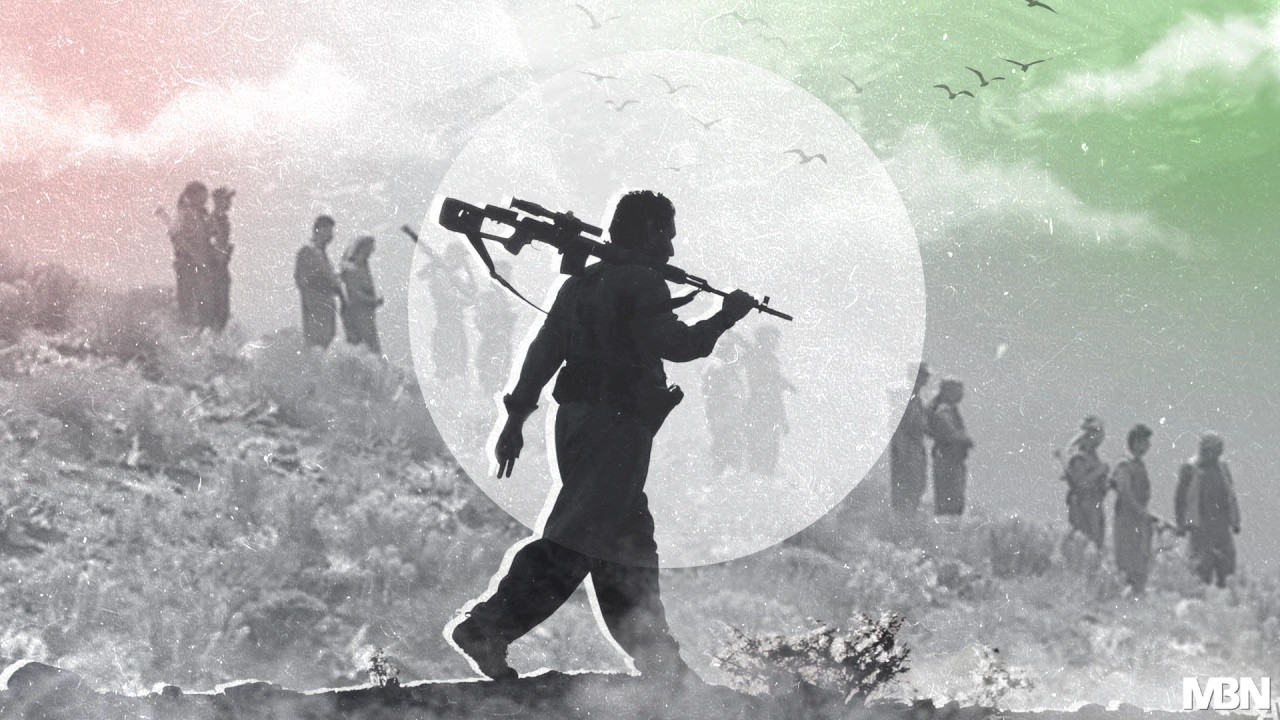
New political movements are underway in Iraq to address the issue of Iranian Kurdish opposition groups, with proposals to relocate their members and families from the Kurdistan Region to central and southern parts of Iraq. These steps coincide with the accelerated implementation of the security agreement between Baghdad and Tehran, amid Iran's insistence on ending the presence of these armed groups near the shared border. The situation along the Iraq-Iran border is heading towards a turning point in a file that Iran views as a security gap exploited by hostile parties. Security coordination between the two countries is increasing to protect the shared border and address the presence of Kurdish opposition groups that use the mountainous areas of the region as a refuge. In this context, the Iranian ambassador to Iraq announced an agreement to remove separatist terrorist elements from the Kurdistan Region or hand them over to Iran, reflecting Tehran's determination to end activities it deems destructive and attempts to destabilize, accusing some international powers of supporting these groups. Recent developments indicate a growing awareness among Iraqi and regional authorities to review previous policies regarding these groups and respond to Iranian security concerns, especially after these groups’ bases became a security and political burden on the region. Political analysts view the move to distance the Iranian Kurdish opposition as part of prior security understandings between Baghdad and Tehran, reflecting the pressures faced by the region, particularly following missile and drone attacks targeting these groups’ sites, accompanied by stern Iranian warnings. The region also seeks to prevent its lands from becoming a battleground between Iran and the Kurdish opposition, with Iranian officials emphasizing security commitments they consider due from the Iraqi side. Meanwhile, a leader from the Kurdistan Democratic Party confirmed that recent meetings focused on adhering to the 2023 security agreement, noting that Iranian opposition groups have been moved away from the border by distances ranging from 40 to 120 kilometers and relocated to isolated complexes. Conversely, the media advisor to the party leader denied receiving any official request regarding handing over or expelling the opposition, affirming these groups’ commitment not to carry out military operations across the border. However, these assurances appear insufficient for Tehran amid escalating security risks and intensifying regional confrontations with the United States and Israel, which Iran accuses of supporting armed Kurdish parties. With Iran’s insistence on a comprehensive resolution to the opposition groups’ presence, Iraqi political sources revealed discussions about proposals to relocate these groups and their families from their current bases to central and southern Iraq. Al-Muthanna province, specifically Samawah city, is among the prominent areas proposed for establishing an isolated shelter and assembly center under federal government supervision, similar to previous experiences isolating security and political groups. Relocating these groups far from the borders aims to prevent armed Kurdish factions from exploiting the mountainous terrain that facilitates infiltration and smuggling, potentially paving the way for addressing their status through refugee commissions or encouraging them to end armed activities. No final official decision has been issued regarding these proposals, which remain under discussion among Iraqi political forces. These developments continue amid ongoing security coordination between Baghdad and Tehran, alongside differing views on the necessary steps to manage the presence of the Iranian Kurdish opposition in the region, between Iranian demands for broader measures and Kurdish assurances of commitment to security pledges and refraining from cross-border operations.