
Local

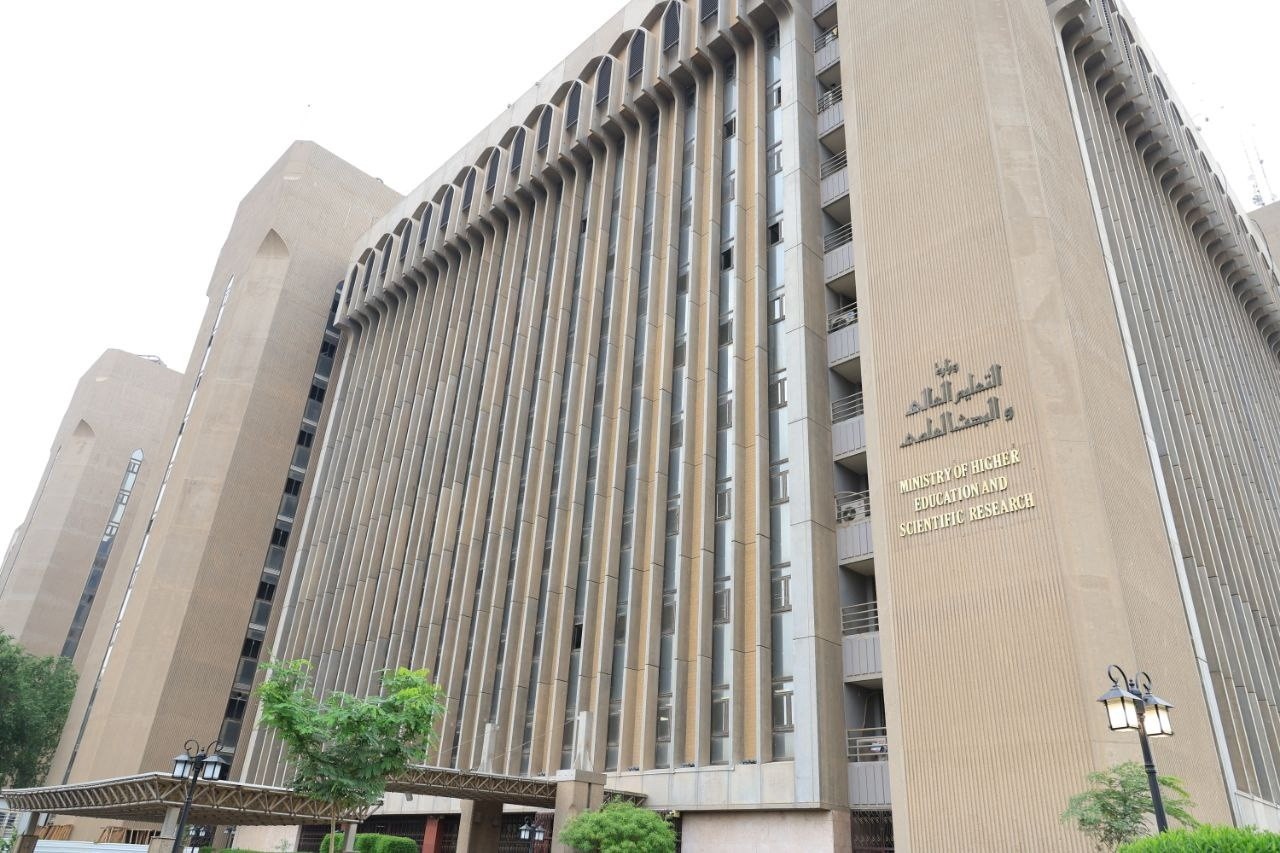
Amidst the continuous efforts of higher education institutions to enhance their academic standing regionally and internationally, official specialized authorities have revealed a notable development in the competitiveness of local educational institutions. The Ministry of Higher Education and Scientific Research announced on Friday the inclusion of forty-two Iraqi universities, including academic institutions affiliated with the Kurdistan Region, within the QS Arab Universities Rankings for the year 2027, out of a total of 298 Arab universities covered in the comprehensive evaluation issued on October 15, 2026. Regarding the detailed results, the ministry stated in an official release that the University of Baghdad topped the list of Iraqi institutions in this ranking, followed consecutively by Mustansiriya, Anbar, Al-Nahrain, and Kufa universities, which demonstrated advanced levels of academic and research performance. Official data indicated that the number of listed Iraqi universities witnessed a noticeable rise to reach 42 universities, compared to only 36 universities in last year's edition, reflecting a gradual improvement in quality and institutional accreditation standards. Concerning the applied methodology, the ministry explained that the QS Arab Universities Ranking, which was actually launched in 2014, relies on ten main indicators to evaluate the performance of higher education institutions. These are led by academic reputation at thirty percent, followed by employer reputation at twenty percent, the faculty-to-student ratio at fifteen percent, the international research network at ten percent, in addition to indicators related to web impact, research output, scientific citations, and the ratios of faculty members and international students. The ministry concluded its clarifications by noting that the evaluation of research performance relies fundamentally on data derived from the global Scopus database, which includes the volume of scientific citations and published research output, alongside the remaining indicators adopted in calculating the final results for the participating institutions.