Global

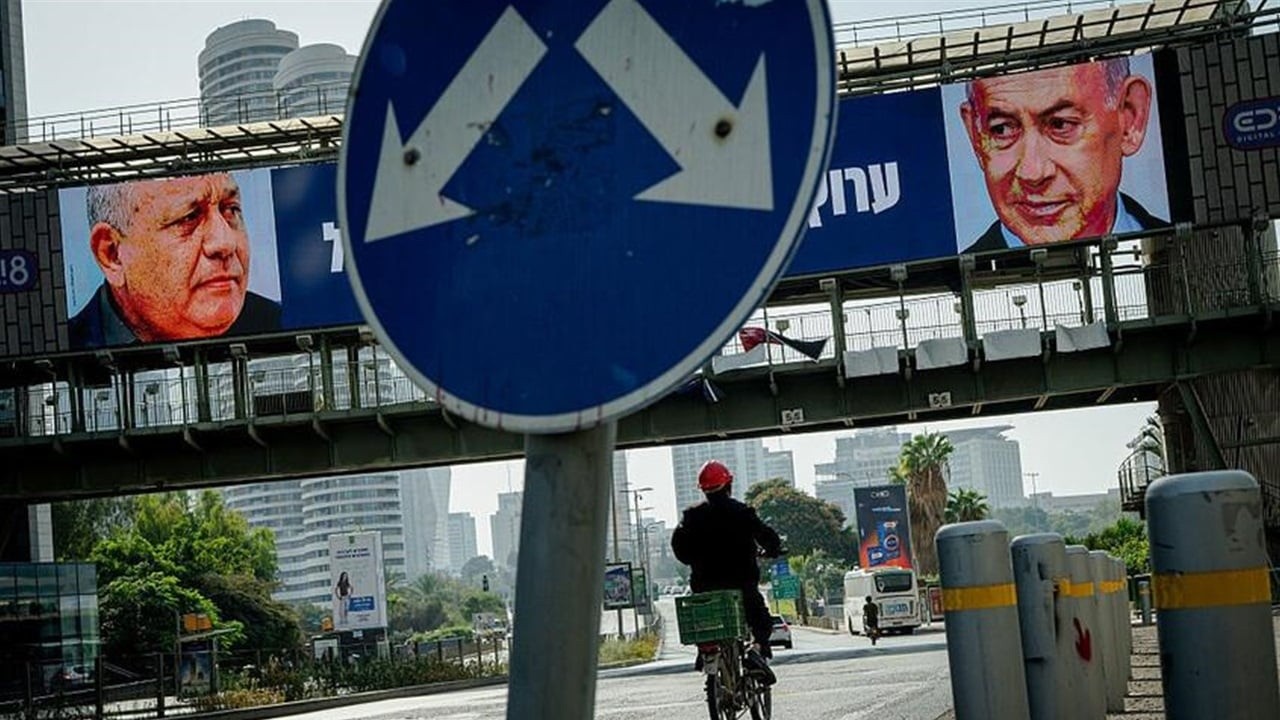
The outgoing Israeli government is managing the country with limited powers, raising concerns about the potential use of a confrontation with Iran to influence the formation of the next government or to push towards an emergency government. Consequently, this government will continue as a caretaker administration until a new government is formed, amid possibilities of another military campaign against Iran. This situation raises legal questions about the powers of such a caretaker government, amid fears of political motives using war as a tool to affect the upcoming government’s composition or to impose an emergency government. Legally, caretaker governments are required to exercise restraint and moderation, and they are prohibited from making irreversible decisions that would place the elected government in a fait accompli. They must also conduct prior consultations with the legal advisor before making decisions beyond routine administration. From a legal standpoint, a caretaker government is not barred from initiating war, as the Basic Law does not differentiate between a regular and a caretaker government, provided the decision is made within the government or the cabinet. However, precedents like "Guardian of the Walls" and "True Dawn" were limited operations based on tangible threats and were not broad wars initiated by Israel. In this context, the leader of the Yesh Atid party, Gadi Eisenkot, warned security officials against Prime Minister Benjamin Netanyahu’s use of Israel’s security issues for political purposes, following Netanyahu’s statement that the confrontation with Iran is not over, and a report indicating that Washington has instructed Gulf countries to prepare for a short and intense campaign after the November 3 midterm elections. Any war during this period would have repercussions on government formation negotiations, as the sensitive window extends from election day until the Knesset’s swearing-in around November 10, followed by presidential consultations. Critics of Netanyahu believe such a war could lead to the formation of a unity or emergency government, similar to those in 1967 and October 2023, despite the absence of public evidence supporting this scenario.