Eco

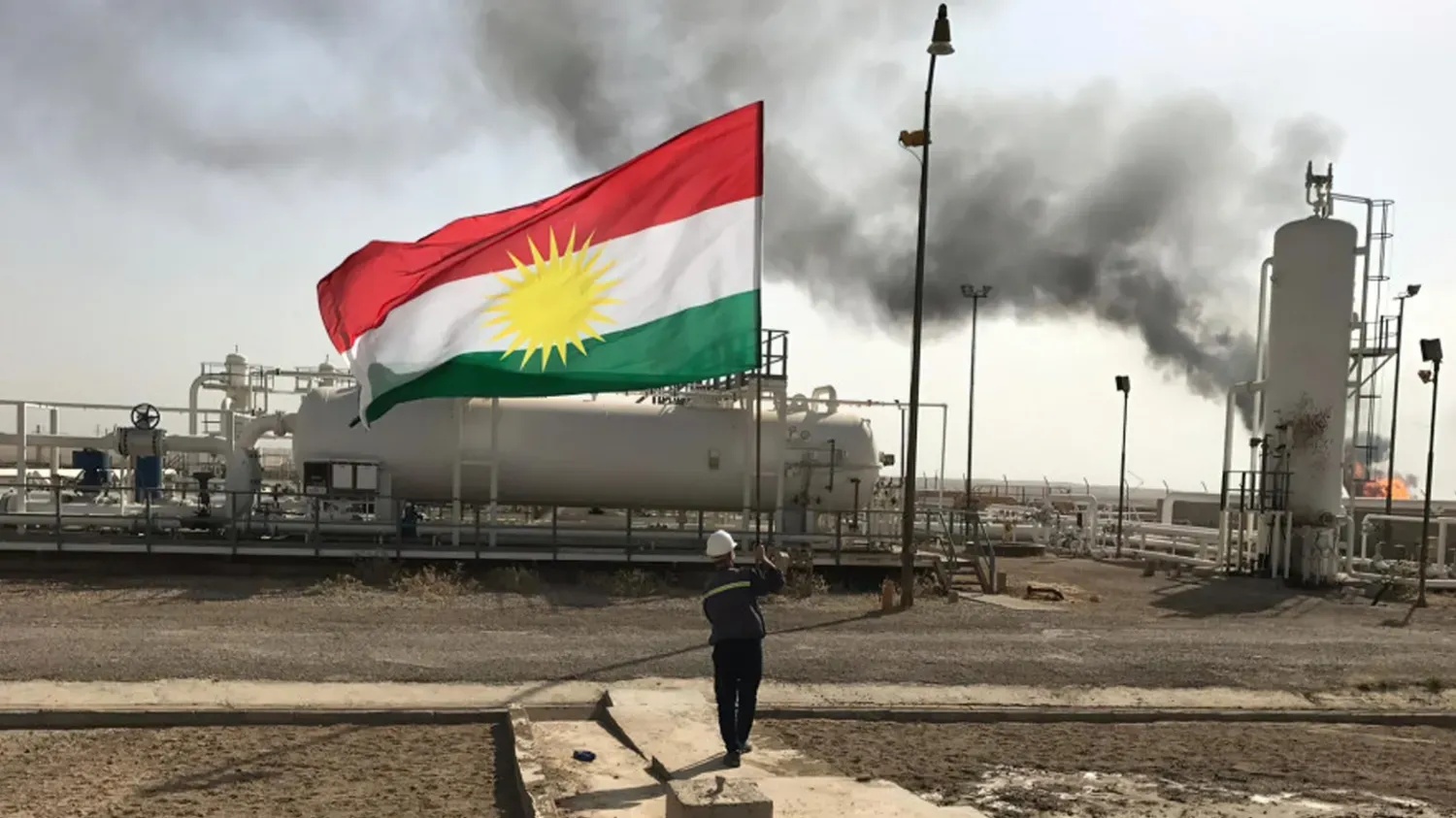
Kamal Mohammed, Minister of Natural Resources in the Kurdistan Regional Government, affirmed on Saturday his ministry's commitment to any decision issued by Prime Minister Ali Faleh Al-Zaidi regarding the oil file. Mohammed clarified that his ministry met on November 26 and 27 with the Oil and Gas Committee in the Council of Representatives and the federal Ministry of Oil. The ministry awaits the committee's recommendation, which will be submitted to Prime Minister Al-Zaidi, to determine the decision that will be taken, with a full commitment to it. In a related context, the Minister noted the resumption of oil production in the Kurdistan Region and the return of all companies and oil fields to normal operation, with the exception of the Sersang field, which has not yet resumed production due to damage from several drone attacks. He stated that the current oil production in the region ranges between 220,000 and 230,000 barrels per day, with a portion allocated to meet local consumption. Regarding the gasoline issue, Mohammed explained that it has largely been resolved, but he emphasized the necessity for the federal government to pay the Kurdistan Region's share to fully eliminate the problem. The Minister touched upon cost estimates, where the federal government estimates the cost of refining oil in its refineries at 5900 dinars per barrel, equivalent to approximately 4 dollars. In contrast, the Kurdistan Regional Government estimates the cost at about 16 dollars per barrel. He reported that if Baghdad calculates the quantity of oil provided to the region at a price of 4 dollars, gasoline could be sold locally at 450 dinars. Mohammed concluded his remarks by stressing the importance of increasing the quantity of oil refining in the Kurdistan Region, explaining that the current quantity does not exceed 50,000 barrels per day, while local demand reaches 140,000 barrels per day.