policy

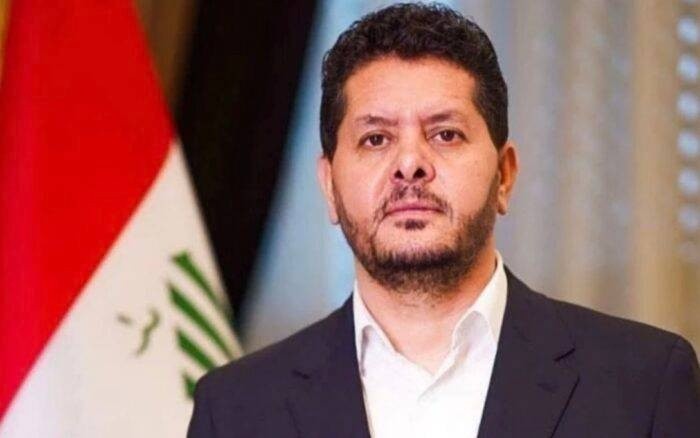
Laith Al-Khazali, Deputy Prime Minister for Services Affairs, affirmed on Thursday that the monopoly of arms by the state is a constitutional principle beyond dispute and aligns with the directives of the religious authority. He noted that this principle received unanimous support from the Coordination Framework, emphasizing that previous governments lacked genuine will or consistent follow-up to implement it, whereas the current government has a clear project to enforce it. Al-Khazali pointed out that his involvement in the resistance was aimed at liberating Iraq, and his entry into politics began immediately after the withdrawal of American forces in 2012. He highlighted that his studies at the seminary in Najaf had profound spiritual and intellectual impacts, contributing to enhancing his scholarly depth. He also confirmed that the resistance activities did not target state institutions or civilians, and that the separation from the military wing occurred voluntarily since 2017, noting that the Asa'ib Ahl al-Haq movement fully embraced the transition to political work. Regarding foreign relations, Al-Khazali stressed the necessity for them to be based on mutual respect, balance, and non-interference in internal affairs. He pointed to the importance of relations with Syria as a neighboring country with shared interests with Iraq, especially in religious and economic fields, affirming that Syria's stability positively affects the stability of Iraq and the region. About his role as Deputy Prime Minister for Services, he explained that his appointment was based on a study aimed at developing the service reality in the country, noting that deputy prime ministers provide support to the prime minister in following up on vital files. He confirmed there are no new financial allocations or appointments for the deputies' offices, and that the Ministerial Council for Services Affairs monitors ten sectors affiliated with various ministries and authorities. He revealed that he was tasked with overseeing projects of one million land plots and modern cities, with work on the strategic Baghdad Ring Road project having started in 2022, expecting the first phase to commence soon. On the political front, he mentioned good relations with most Sunni forces and allies close in political orientations, describing the relationship with the Kurdistan Democratic Party as showing positive signs with mutual visits, emphasizing that the relationship between the federal government and the Kurdistan Region should be based on rights and duties. He affirmed support for strengthening foreign relations that serve Iraq's interests, stressing the importance of establishing relations based on mutual interests and respect, whether with the United States or other countries that respect Iraq's sovereignty and the rights of its people.