Eco

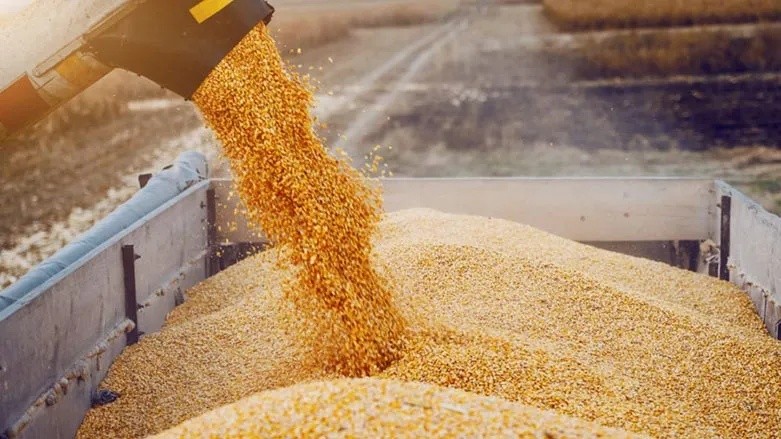
The Ministry of Trade is diligently working to ensure the nation's food security, having developed an ambitious plan to secure a strategic reserve of wheat sufficient for the country's needs until the end of 2028. As part of these efforts, the Ministry is actively coordinating with the Ministry of Finance to disburse 500 billion dinars, a second installment in its endeavors to finalize the outstanding payments to wheat suppliers. In this context, Haider Al-Karaawi, the Director General of the General Company for Grain Trading at the Ministry, stated that the company has achieved self-sufficiency in wheat over the past three years. This was accomplished by receiving ample quantities of the crop from marketers, boasting specifications comparable to the finest international varieties. Detailing the quantities of wheat marketed, Al-Karaawi explained that 2023 saw the marketing of 5.194 million tons, with a significant increase in 2024, reaching 6.3 million tons. However, the marketed quantity decreased in the past year (2025) to 5.190 million tons. He further noted that the current year, 2026, has also witnessed a decline in the quantities of wheat supplied, reaching 4.8 million tons. According to Al-Karaawi, these quantities meet the country's wheat requirements, affirming that they ensure sufficient self-sufficiency. Previous data from the Ministry of Planning indicates that Iraq requires approximately four to five million tons of wheat annually to achieve self-sufficiency, secure the ration card system, and cover other local needs. Despite the potential for exporting surpluses, the company prioritizes meeting local demand for the crop, thereby ceasing imports that incur substantial annual costs to the budget. The company, as part of its long-term plan prepared in advance, anticipates achieving the same level of self-sufficiency in marketed wheat for the upcoming year 2027, aiming to establish a strategic reserve that meets the country's needs until 2028. Al-Karaawi emphasized that this self-sufficiency effectively contributes to stabilizing flour prices in local markets, despite logistical challenges arising from the closure of the Strait of Hormuz and reliance on alternative outlets. He mentioned that the Ministry has distributed the sixth batch of this commodity to date. Regarding the outstanding payments to wheat suppliers, he clarified that the Ministry continues to coordinate with the Ministry of Finance to secure the disbursement of a second installment amounting to 500 billion dinars, following a similar payment made earlier. These steps underscore the company's determination to resolve this issue in support of farmers and to encourage them to continue cultivating wheat, whose seasons are set to begin next month.