policy

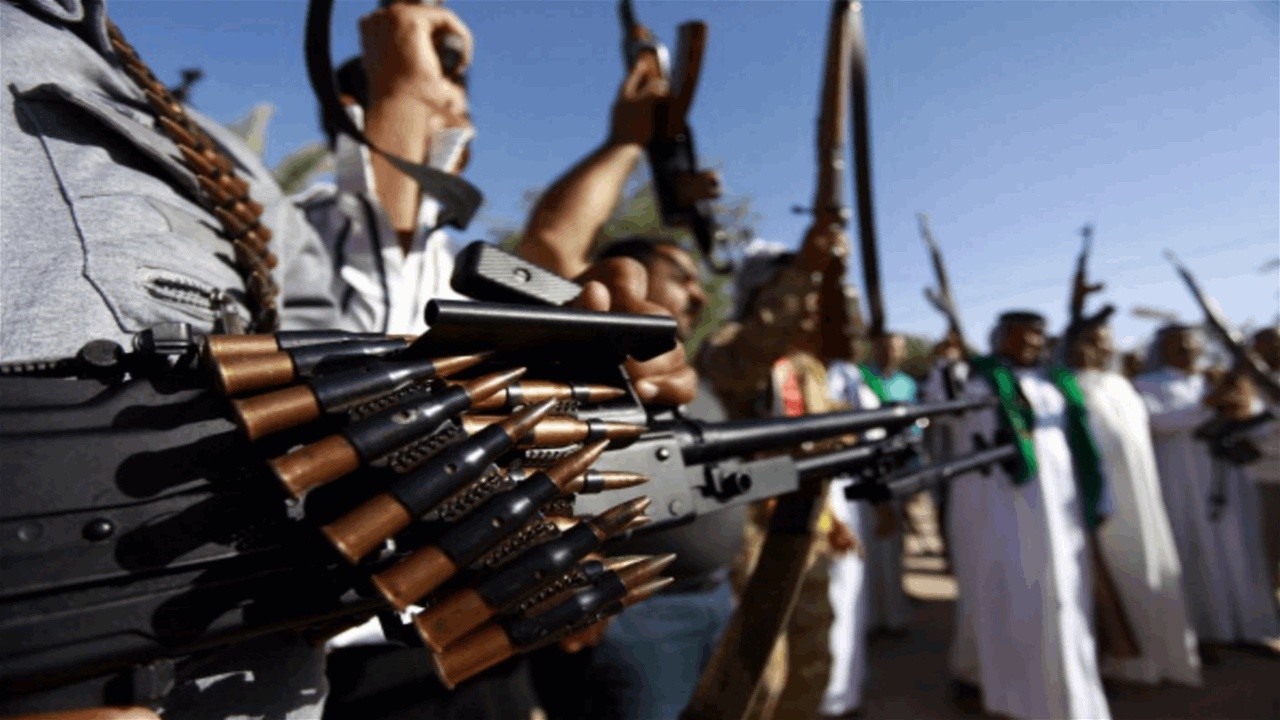
With the Iraqi government announcing specific timeframes to conclude the file of confining weapons to the state, this file emerges as one of the most complex issues on the political and security arenas. This approach comes after a series of dialogues and joint understandings between governmental parties and several armed factions, especially after surpassing previous deadlines without fully completing the executive steps. The new timing coincides with prominent field transformations including the conclusion of the international coalition's military tasks on Iraqi soil, a consideration that armed entities have long linked to their positions regarding handing over equipment or integrating within the official system. In light of these data, circulating questions in official and popular circles revolve around the nature of potential outcomes if the scene reaches the specified deadline without a full achievement of absolute governmental control objectives. The time limit cannot be considered as automatic immediate sanctions, as data indicates that the path is based on a progressive negotiating basis, where the prime minister pointed to introductory periods during which mutual operations stop in exchange for specific arrangements, leading to the completion of steps by the final date. The spokesman for the Commander-in-Chief of the Armed Forces confirmed that the timing came as a result of joint understandings and a specialized committee that coordinated with various relevant parties, meaning that the expiration of the period without complete completion will not necessarily lead to a direct armed confrontation, but may open the door to a new phase controlled by the positions of the concerned parties and general political orientations. The first possibility emerges in extending the available time period, especially if the dialogues yield a noticeable convergence and partial progress on the ground, a familiar scenario in this path that has previously witnessed adjustments in dates as a result of continued negotiation aimed at reaching a formula that ensures the transfer of military decision-making gradually to state institutions without direct collision, despite the political questions this might raise regarding the authority's ability to bind with deadlines. As for the second scenario, it relates to the possibility of integrating combat elements rather than just collecting equipment and machinery, as governmental procedures are not limited to weapons alone but extend to the factions' structure and the future of their affiliates, where organizational proposals were put forward to unify salaries and privileges and create thousands of jobs in the military and police forces for those who hand over their weapons, making the incompleteness of disarmament synonymous with restructuring and new understandings. Conversely, the third scenario represents the survival of part of the capabilities outside official control while negotiations continue, the most complex situation because it relates to the reference of the decision to use force, amidst political warnings of hardening positions, while others see that the withdrawal of foreign parties contributes to removing pretexts of rejection. In case of failure to reach an agreement with major factions, the state will resort to legal and political options with extreme caution to avoid wide security repercussions, especially since the possession of some groups of advanced arsenals makes any potential friction a wide-scale crisis threatening the stability of governance institutions. The core of the issue remains linked to the state's monopoly on the decision to use force and its impact on Iraq's foreign policy and avoiding regional diplomatic crises, in addition to being a real test of the authority's prestige, the rule of law, and organizing the relationship between official institutions and armed organizations, influenced by regional and international dynamics and the relationship with Washington and Tehran, leaving options open between extension, expansion of integration programs, legal measures, and reaching critical testing stations that determine the nature of the future of the Iraqi state and its military and political organization.