
Technology

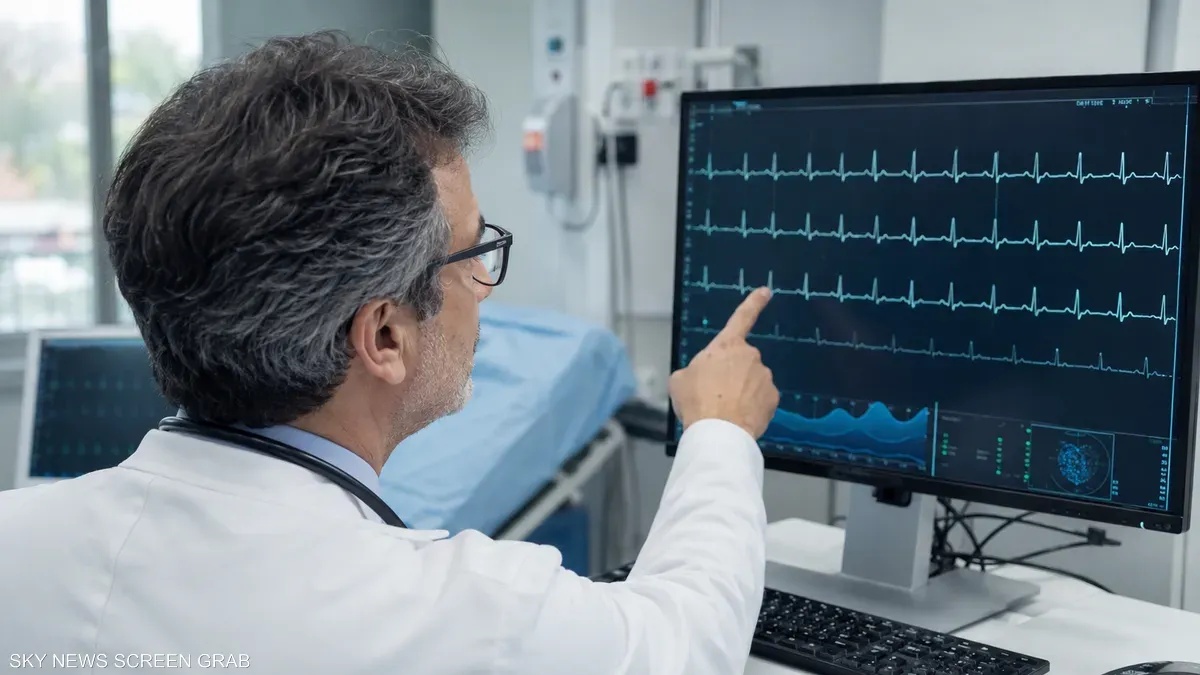
Researchers have developed an advanced artificial intelligence (AI) tool designed to identify patients requiring urgent cardiac ultrasound scans, analyzing electrocardiograms (ECGs) in under two seconds. This technology aims to address the lengthy waiting periods, which can stretch from weeks to months, for such vital imaging. Scientists from Imperial College London, supported by the British Heart Foundation, presented their research findings at the European Society of Cardiology conference in Munich. The tool relies on a model trained using millions of ECG readings, enabling it to detect subtle patterns often missed by traditional human examination. ECGs routinely record the heart's electrical activity, used to evaluate pulse, rhythm disorders, and certain cardiac conditions. However, heart failure and valve diseases often necessitate additional examinations, primarily cardiac ultrasound (echocardiography), to precisely assess the heart's structure, muscle function, and valve operations. In a study involving data from 67,000 patients in the United States, the model detected up to 81 percent of heart failure cases and approximately 90 percent of heart valve disease cases. Nevertheless, researchers emphasize these percentages do not imply a definitive diagnosis, nor does the tool independently reveal the number of potential false alarms. Consequently, it is not a substitute for a specialized cardiologist or a comprehensive ultrasound examination. The primary value of this tool lies in its capacity for initial medical triage. If ECG analysis indicates a high probability of heart failure or valve disease, the patient can be prioritized for cardiac ultrasound, shortening their wait. Furthermore, the model can be run on ECGs performed for other reasons, potentially alerting doctors to unsuspected heart conditions. Professor Fu Siong Ng, Professor of Cardiology at Imperial College London, stated this technology could help identify higher-risk patients, providing them with faster examinations. This concept gains importance as ECGs are among the most common medical tests, with about one billion conducted annually worldwide. Researchers hope to integrate this model into mobile devices used by healthcare professionals in the future. It is noted that results were presented at a scientific conference, and published details are currently insufficient to fully evaluate the tool's performance across diverse populations and healthcare systems. Therefore, its function remains closer to a "digital alarm bell" assisting physicians in prioritization, rather than a device issuing a definitive medical judgment within seconds.