
Local

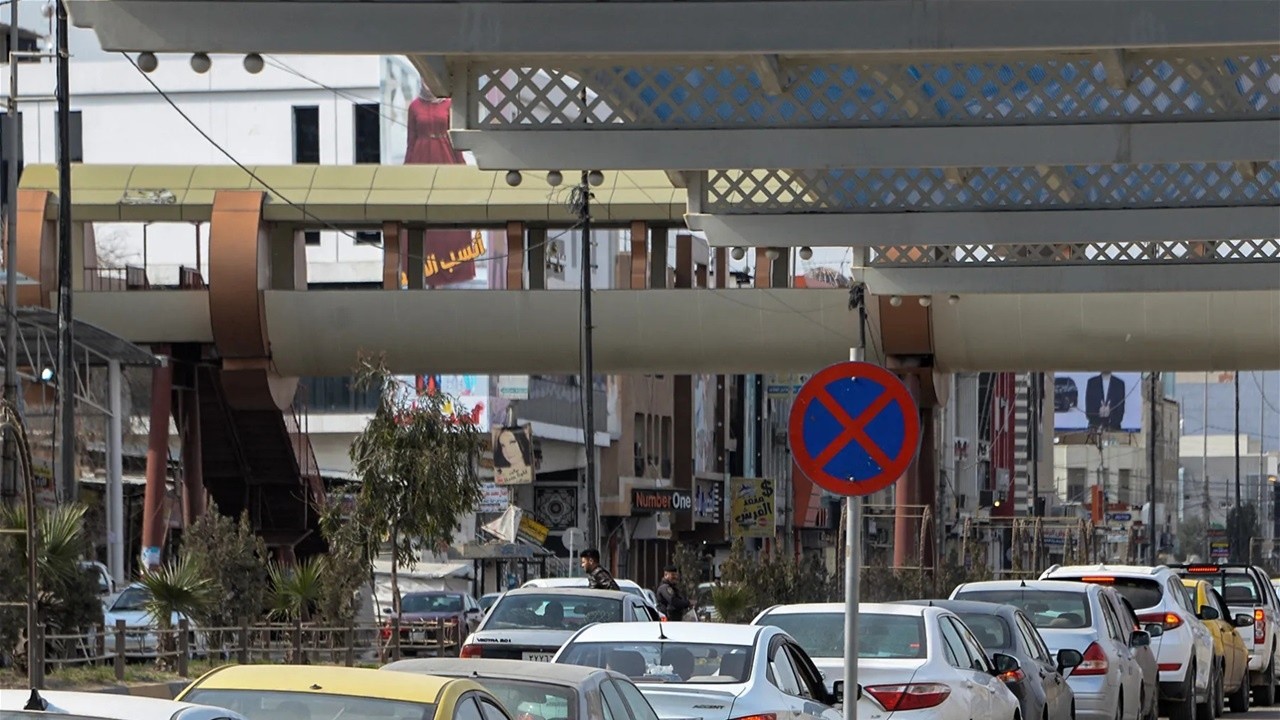
Amidst escalating congestion at fuel stations across the country, the Ministry of Oil has issued a comprehensive clarification regarding the underlying causes and steps being taken. The Ministry stated today, Friday, that the overcrowding is primarily due to a significant gap between locally produced gasoline quantities and market consumption. Salim al-Rikabi, spokesperson for the Ministry of Oil, announced that to counteract this deficit, the Ministry has been compelled to import refined gasoline from outside Iraq, relying on maritime shipments to bridge the supply shortfall. Al-Rikabi explained that this strategy faces considerable logistical challenges stemming from prevailing security and ongoing regional conflicts. He added that these conditions create issues impacting maritime tanker movement, leading to delays in their arrival or docking at Iraqi ports. Al-Rikabi revealed that the Ministry currently contracts with only one tanker due to adverse security circumstances. He noted that the cycle of offloading, reloading, and returning for this single tanker consumes a considerable amount of time, resulting in intermittent shortages in continuous fuel supply to stations. To tackle this persistent challenge, the spokesperson indicated that the Ministry of Oil has devised a plan aimed at utilizing a greater number of tankers. This initiative seeks to provide enhanced flexibility and maneuverability in securing daily petroleum derivative requirements and fortifying the nation's strategic reserves. In a related appeal, al-Rikabi urged citizens to approach the situation rationally, emphasizing the importance of taking sufficient gasoline and avoiding excessive crowding at stations for just a few liters, as such behavior exacerbates congestion and lengthens queues. He also implored citizens not to heed rumors linking the fuel crisis to the economic model of the refining and distribution sector, asserting that all refineries are operating at full capacity to meet citizens' fuel needs. He concluded his statement by affirming that a tangible improvement is expected to commence from today.