
policy

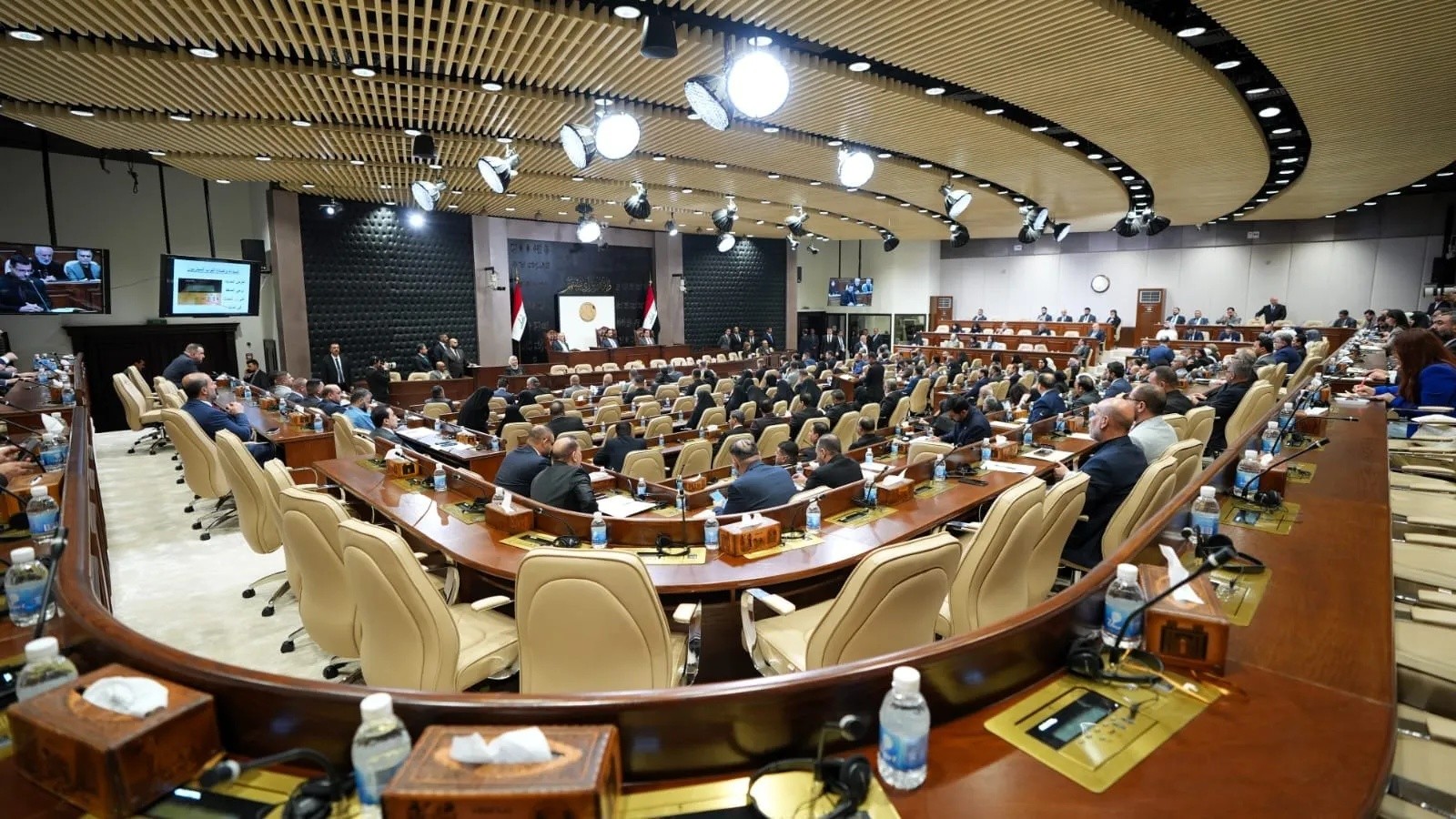
The Presidency of the Council of Representatives has adopted nine financial and functional treatments, slated for inclusion in the 2027 federal budget law. Referred to the parliamentary finance committee after presidential approval, this initiative addresses pressing issues of employment, job stability, and improving financial conditions for broad societal segments. MP Dhuha Al-Sadkhan clarified these treatments prioritize appointing higher degree holders, top students, graduates from elite channels and oil institutes, as well as medical, health, and nursing professionals, to integrate these competencies into state institutions. The package also covers regularizing all contract and daily-wage employees to permanent staff, including meter readers, aiming to end job instability and secure their full administrative and financial rights. Furthermore, the treatments propose allocating new positions (from deletions and creations) for older graduates, and completing the appointment of a thousand engineers. This seeks to utilize vacancies and alleviate graduate unemployment. Proposals extend to disbursing overdue salaries and entitlements for all retirees, allocating funds for the seventh batch of social protection beneficiaries, and settling delayed dues for farmers. Regarding postgraduate studies, measures ensure filling designated seats by adopting the highest-scoring non-accepted candidates for vacant positions. This prevents unutilized seats and grants applicants additional admission opportunities. The treatments also urge converting Bachelor's degree-holding military and security personnel from military to civilian staff, aligning with their qualifications and specializations. Demands additionally include registering mandatory leaves, completing delayed calculations for academic degrees and titles, and granting holders their associated administrative and financial privileges and rights. Concerning the "salary scale" law, the treatments emphasize approving a fair scale by amending the state and public sector employee salary law, aiming to reduce disparities between higher and lower-grade salaries and achieve equity among government employees.