
Global

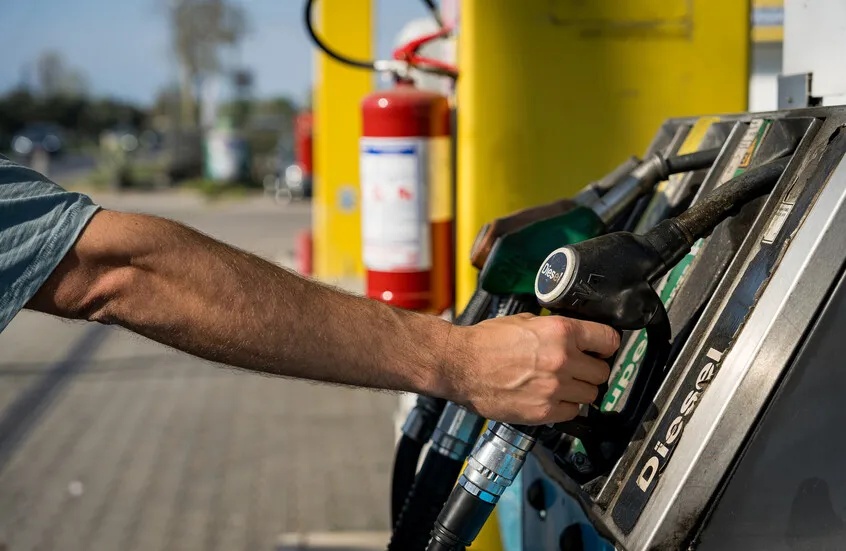
American families have incurred an estimated $59 billion in additional fuel costs since the onset of geopolitical tensions, a sum that has effectively consumed the average tax refund amounts for the year. According to recent estimates by economist Mark Zandi of Moody's, this cumulative additional cost, primarily driven by soaring fuel prices including gasoline, diesel, and jet fuel, totals approximately $59 billion, equivalent to about $450 per American household. Economic analyses indicate that these burdens, which were partially alleviated in the past by larger tax refunds, have recently begun to significantly outweigh those compensations. Prominent financial institutions, such as Goldman Sachs, anticipate that energy-related inflationary pressures will continue to negatively impact spending growth in the foreseeable future, despite some supporting factors like an improving job market and rising wages. For its part, the US Administration, through White House spokesman Kush Desai, stated that a de-escalation of tensions in the region and the normalization of navigation in the Strait of Hormuz would lead to a sharp decline in gasoline prices, an improvement in real wages, and a reduction in inflation, alongside the potential for massive investments amounting to trillions of dollars. Conversely, President Donald Trump reiterated his dismissal of concerns regarding rising fuel prices, even as the average price for regular gasoline reached approximately $4.39 per gallon by May 29, marking an increase of nearly 40% compared to the previous year.