Global

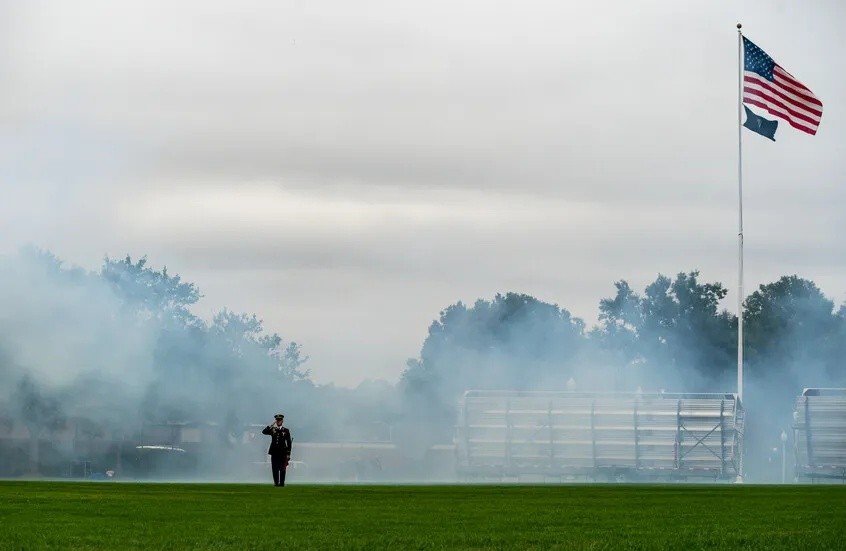
Circles within the U.S. military and intelligence agencies are exploring options to reduce forces and facilities deployed in the Middle East, should the Trump administration succeed in reaching a settlement that ends the conflict with Iran. These discussions, not yet formal, with no direct orders issued for a comprehensive deployment review, reflect a growing readiness among military and intelligence officials to adopt a Trump administration policy aimed at decreasing the American presence in the region following hostilities. These developments come as the United States currently maintains approximately 50,000 troops in the Middle East, in addition to significant military assets including two aircraft carriers and over 12 guided-missile destroyers. In this context, sources revealed to CNN that the U.S. military is simultaneously considering enhancing protection mechanisms for facilities and forces remaining in the region. These potential plans include relocating some facilities underground, as part of preparations for any missile or drone attacks similar to those launched by Iran during the conflict. Events have shown that a number of American facilities in the Middle East, including sites in Bahrain, Qatar, Saudi Arabia, and Kuwait, were subjected to Iranian attacks that exposed their vulnerability. For instance, a Central Intelligence Agency site in the Saudi capital, Riyadh, suffered actual destruction from one such attack, according to statements from a U.S. official and a former intelligence officer. The deliberations also include the possibility of not rebuilding some assets destroyed or severely damaged, given the high cost of repair and reconstruction. Instead of permanent stationing, the option of keeping some personnel and equipment within the United States and deploying them to the region for specific missions when needed is being explored. This trend reinforces the desire of senior Pentagon officials to reduce military presence in several Gulf states, as part of a broader strategy aimed at shifting more of the defense burden onto regional partners. However, the same sources emphasize there is currently no clear timeline for ending the conflict or reaching a settlement with Tehran. It is worth noting the statements by the U.S. Chief of Naval Operations, Admiral Daryl Caudle, who stated last week that forces would not return to Bahrain, which hosts the traditional headquarters of the Fifth Fleet, "any time soon." This statement provides an additional indication of the potential shifts in American military deployment in the region.