Local

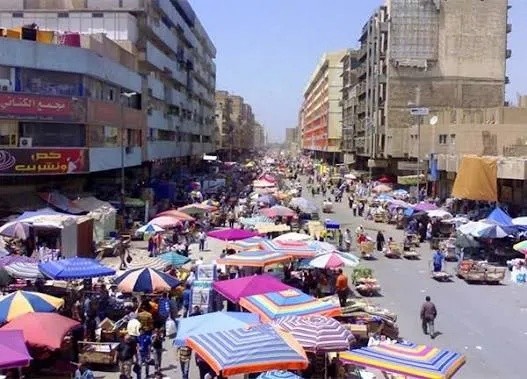
Baghdad Municipality announced on Wednesday a comprehensive plan to regulate popular markets and commercial shops across the capital, firmly rejecting any permanent structures on sidewalks. This initiative is part of the Municipality's ongoing efforts to enhance urban aesthetics and facilitate pedestrian movement. The Municipality's spokesperson, Uday Al-Jandil, informed the official news agency that efforts continue to organize popular markets and shops, particularly focusing on stall owners. Al-Jandil noted the complete removal of several markets in Baghdad, with development and rehabilitation underway to transform these sites into organized service areas. Key among these projects is the complete removal of the historic Muridi market, which predates 2003. The area is currently undergoing extensive development and main street rehabilitation for reopening to vehicle traffic. He confirmed that similar measures were applied to other capital markets, entirely removed to ease congestion. To provide sustainable alternatives, a new integrated model market is being built behind the dam, specifically at the end of Al-Dakhel Street. This market will serve as a replacement for stall owners displaced from Muridi market and some areas of Sadr City. The new market will feature 560 model shops, offering an organized work environment for vendors. In other parts of the capital, stall owners are being regulated through the provision of standardized mobile stalls. An emphasis is placed on not occupying the full width of the sidewalk, ensuring adequate space for pedestrians. Al-Jandil also mentioned the removal of Al-Shurta Al-Raba'a market, now undergoing significant development to transform it into a model street following the removal of its stalls. He underscored the Municipality's commitment to finding solutions for vendors and reopening streets previously blocked by street sellers, which hindered traffic flow. Reiterating the Municipality's policy, Al-Jandil affirmed the categorical rejection of fixed sidewalk structures while ensuring low-income mobile vendors are not harmed. He concluded that these efforts represent Baghdad Municipality's integrated plan for regulating mobile stall operations. He also stated that any fixed stall on a sidewalk would be removed, stressing that sidewalks are public property and not for individual exploitation.