Eco


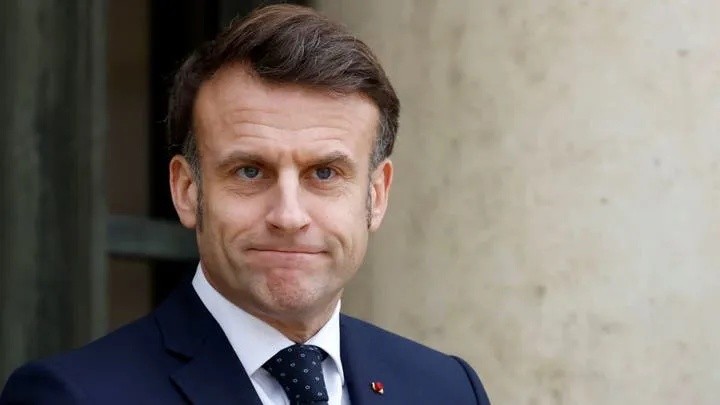
The European Union is increasingly heading towards a trade confrontation with China, driven by a surge in low-cost Chinese goods that pose a direct threat to the continent's vital manufacturing sector. This phenomenon is escalating concerns within European capitals, pushing the economic relationship with Beijing into a highly sensitive phase. Calls are mounting within the EU to re-evaluate the nature of trade relations with China, amid a growing conviction that current trade imbalances are no longer merely a transient economic issue, but represent a long-term strategic challenge to Europe's ability to preserve its industrial base and global competitiveness. Brussels is observing with deep concern the significant rise in Chinese exports to European markets in recent months. Beijing has intensified its reliance on its industrial and export sectors to bolster economic growth, facing an internal slowdown and an ongoing real estate crisis. Data for the first quarter of 2026 revealed a record widening of the trade gap between the two sides, driven primarily by an increase in Chinese electric vehicle exports to Europe. This expansion comes as Chinese manufacturers face slowing domestic demand and seek overseas expansion, while the conflict in the Middle East and rising fuel prices enhance the appeal of low-cost electric vehicles for European consumers. In this context, economic experts in Brussels have warned that European concerns extend beyond traditional trade considerations, with increasing talk of real risks threatening the future of entire industrial sectors if current trends persist without effective intervention. Germany stands out as one of the European nations most vulnerable to the repercussions of these shifts, given its economy's heavy reliance on industry, automotive, and chemical sectors. German companies face intensifying competition from their Chinese counterparts both within and outside Europe, while their ability to achieve growth in the Chinese market, which for decades was a key driver of their profits, is declining. This situation raises concerns about jobs and industrial investments, especially with the continued influx of subsidized Chinese products at prices that local producers find difficult to compete with. European policymakers believe the issue is not limited to low prices but also includes extensive Chinese government subsidies that grant Chinese companies unfair competitive advantages. Political calls within the European Union for adopting more assertive policies to protect strategic sectors are growing. French President Emmanuel Macron has called for the development of European industrial and trade tools similar to those used in the United States, while Spanish Prime Minister Pedro Sánchez urged China to open its markets more widely to avoid additional European defensive measures. Spain, France, Italy, Lithuania, and the Netherlands have jointly prepared a document calling for strengthening the EU's capacity to address what they describe as "structural overcapacity" from some trade partners, a clear reference to Chinese industrial policies. The EU is also discussing an "Industry Acceleration Law" project to support local manufacturing and reduce the ability of foreign companies to benefit from European support programs. Conversely, Beijing views European moves as protectionist steps targeting its industrial success and has warned it will retaliate against any measures affecting its economic interests. China has previously used trade pressure tools, such as imposing restrictions on rare earth and magnet exports, which exposed Europe's reliance on Chinese components in critical sectors. China has also issued new rules granting authorities broad powers to inspect companies and prevent executives from leaving the country in the context of supply chain relocation. Assessments by the European Chamber of Commerce in China indicate that these measures could inflict unprecedented damage on European interests in the Chinese market. Despite the escalating European rhetoric, the EU recognizes the difficulty of reducing dependence on its second-largest trading partner. Many European governments fear Chinese retaliation that could affect their exports and investments, while European consumers continue to gravitate towards Chinese products due to their competitive prices. The European Union faces a complex equation: striving to protect its industry without sliding into a full-scale economic confrontation that could cost the continent dearly. With upcoming G7 and European leaders' meetings, the issue of trade relations with China is expected to be at the forefront of the continent's economic and strategic agenda.