policy

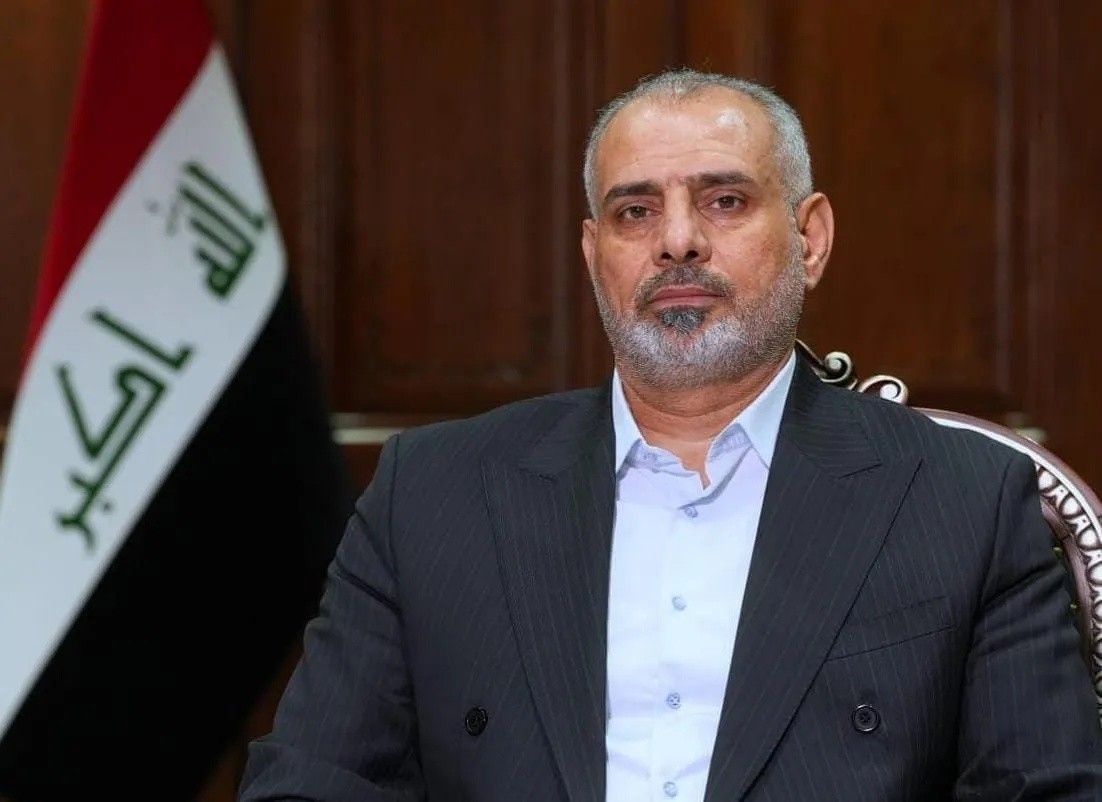
First Deputy Speaker of the Iraqi Parliament, Adnan Faihan Al-Dulaimi, confirmed Saturday the Parliament's readiness to convene an extraordinary session if the Iraqi government does not reverse its ban on Iranian civilian flights in Iraqi airports. He warned of severe repercussions on bilateral relations and the national economy. In a detailed statement, Al-Dulaimi underscored the deep historical ties between Iraq and Iran, citing geographical, religious, and social bonds, alongside shared challenges. He stated these connections mandate Iraq's duty to support its Muslim neighbor, deeming it a legitimate obligation. Al-Dulaimi highlighted Iran's pivotal role in assisting Iraq against ISIS terrorists, being the first to provide weapons and advisors, while other nations merely observed or even backed ISIS. He also noted Iran's continued natural gas supply to Iraq, despite its own needs and Iraq's outstanding billions in debts for years. Criticizing the decision, Al-Dulaimi labeled it hasty and ill-considered, asserting its inconsistency with self-distancing and neutrality principles, and its violation of the Iraqi Constitution. He cited Article 8, which mandates Iraq to uphold good neighborliness, non-interference, peaceful dispute resolution, mutual interest-based relations, and respect for international commitments. Al-Dulaimi clarified that unilateral American sanctions are not an "international commitment" for Iraq simply by their issuance. He stressed that mere reliance on US sanctions is not constitutionally sufficient, emphasizing the need for an Iraqi legal basis or an effective international obligation to justify any action against Iran. He warned that the decision impedes economic and developmental progress by directly harming religious tourism. Iranian flights are the primary carrier for hundreds of thousands of visitors between the two countries, especially via Baghdad and Najaf airports. The ban, he explained, will cause a direct decline in tourism and commercial revenues, losses for airlines and travel agencies, a halt in tourism companies, and reduced transit and airspace fees. In his parliamentary capacity, Al-Dulaimi posed two critical questions to the Iraqi government: What are its plans to compensate the affected religious tourism sector, its workers, company owners, hotels, and freelancers? Furthermore, what are its plans should Iran reciprocate by halting natural gas supply, potentially collapsing the electrical system and causing a 30% to 40% loss of national grid operational capacity, leading to increased power outages and paralyzing vital sectors like hospitals and water treatment plants? Al-Dulaimi concluded by reiterating the Parliament's readiness for an extraordinary session if the decision remains, noting planned practical steps and oversight measures against constitutional violators. He stressed that Iraq's decision must be national, independent, guided by its values, principles, and constitutional obligations, affirming Iraq will under no circumstances be a partner in the siege against the Islamic Republic.