Global

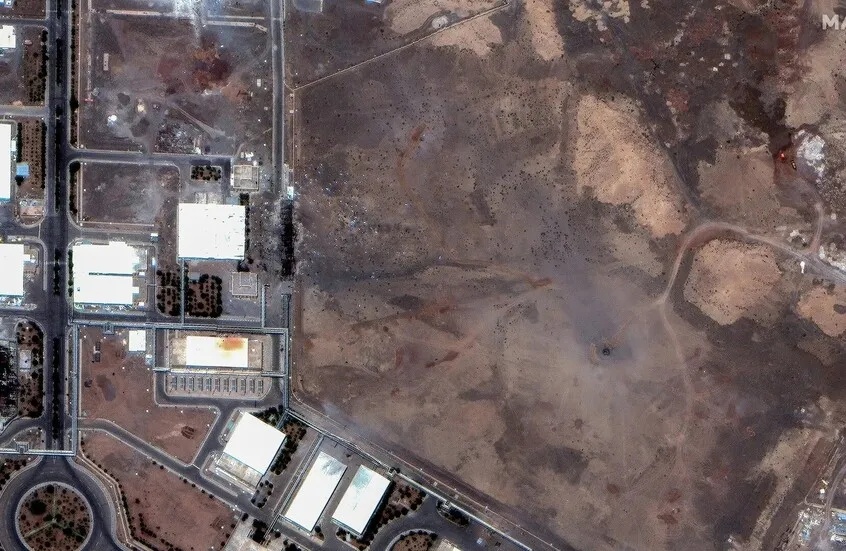
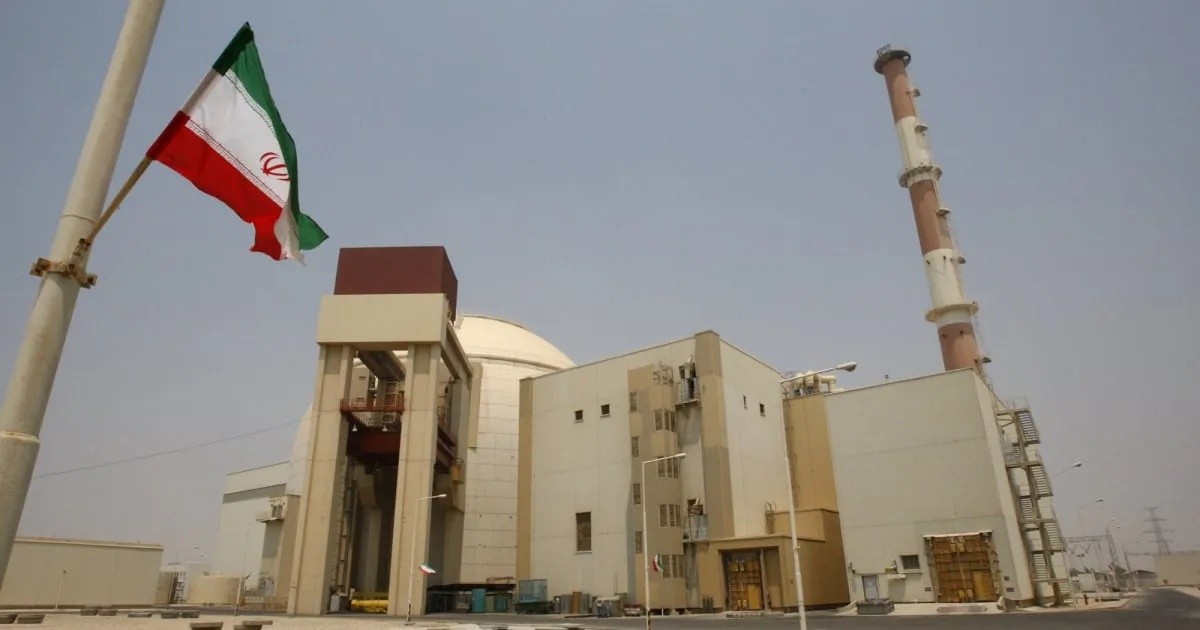
Recent data indicates an escalating risk of Iran secretly pursuing nuclear weapons, exceeding levels observed prior to military actions initiated by the United States and Israel last June 13. In this context, the International Atomic Energy Agency (IAEA) has warned member states, based on a confidential document reviewed by relevant parties, of new nuclear proliferation threats stemming from Iran's substantial reserves of enriched uranium, which are nearing weapons-grade purity. The document clarified that prior to the June 2025 air attack that ignited a 12-day war, these materials were subject to weekly inspections by the Agency to ensure they were not diverted for military purposes, a practice that is no longer in effect. The 119-page document, circulated last month in Vienna, confirmed the Agency's current inability to draw conclusions regarding these nuclear materials, warning that "this raises widespread concern, as these nuclear materials that the Agency has been unable to verify include significant quantities of highly enriched uranium." Two senior diplomats familiar with the report, who requested anonymity to discuss sensitive data, stated that the US-Israeli conflict with Iran has created new nuclear dilemmas that did not exist previously. They added: "The longer these materials remain outside the Agency's safeguards, the higher the risks of their diversion for non-peaceful uses." Data indicates that inspections have more than halved over the past year, after Iran imposed new restrictions following the 12-day war. Inspectors have not yet returned to the affected sites in Fordow, Isfahan, and Natanz, where 440.9 kilograms of highly enriched uranium and 8,599.6 kilograms of lesser-enriched materials were last observed. These warnings coincide with former U.S. President Trump making the elimination of Iran's nuclear ambitions a key policy objective, while markets remain volatile due to stalled efforts to reach an agreement. The report emphasized that even with a ceasefire extension, the path to a permanent nuclear deal remains long, arduous, and vulnerable to collapse, dampening hopes that diplomacy will quickly stabilize energy flows through the Strait of Hormuz. Despite the White House's assertions that Iran's nuclear program has been "destroyed," it simultaneously seeks to negotiate access to Iran's uranium. Trump had reciprocally suggested the possibility of exporting these materials from Iran or deactivating them domestically under IAEA oversight. However, officials expressed concern that the U.S. administration's failure to involve the IAEA in recent rounds of talks could create new risks and foster unacceptable expectations. In this regard, IAEA Director-General Rafael Grossi stated in a televised interview on Tuesday: "We are not a party to these negotiations. We participated until the last round which ended in February. Anything that is not verifiable will lead to a bad deal."