
Global

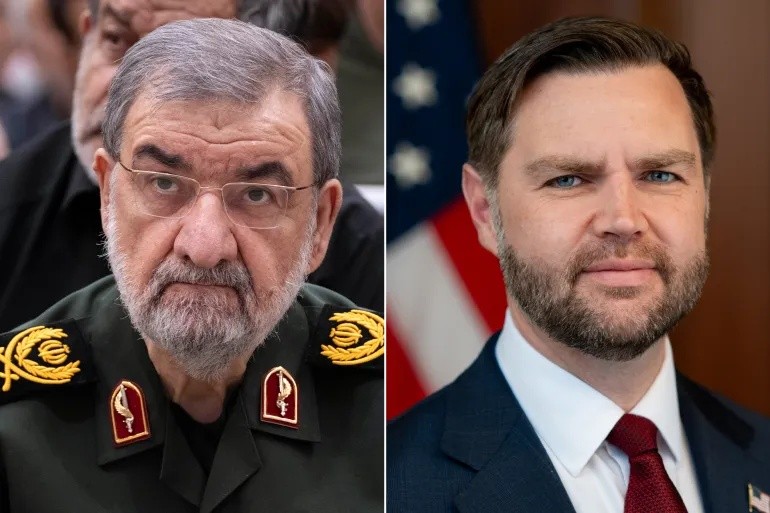
Reports indicate that Iran received a message from U.S. Vice President J.D. Vance but has not yet responded. Tehran insists that the United States must meet its seven conditions, emphasizing that any stance outside this framework is unacceptable. The message sent by the U.S. Vice President to Iran's Secretary of the Supreme National Security Council, Mohsen Rezaei, stated that any negotiations aimed at avoiding U.S. military strikes must focus on the nuclear issue. This message represents the highest level of U.S. contact with Iran in recent months and comes as President Donald Trump considers resuming broad military operations in Iran following the upcoming midterm elections. Vance proposed sending the message to Rezaei, a leading security official in Iran with direct communication channels to the Supreme Leader. A U.S. official noted that President Trump was enthusiastic about this move, though no specific timing for sending the message was given. Reports highlight that the main disagreement in resuming talks lies in Iran's demand for lifting the naval blockade first, releasing frozen funds, and allowing oil sales, while Washington wants nuclear negotiations to resume before any sanctions relief. In comments to reporters, Trump said the Vice President’s message concerned helping Iran obtain necessary medical supplies, stressing that the goal is to assist people facing health issues. Communications between the U.S. Vice President and a hardline Iranian official are underway in an effort to revive peace negotiations amid Trump's threats to resume war. Reports revealed that these contacts aim to explore the possibility of finding common ground to prevent a large-scale U.S. military strike in the coming weeks. The message did not include specific details about a peace agreement but focused on establishing a potential framework for resuming negotiations. Some U.S. officials believe that engaging with hardline figures, whose influence has grown in Tehran following U.S. and Israeli strikes, may provide better diplomatic resolution opportunities.

