Local

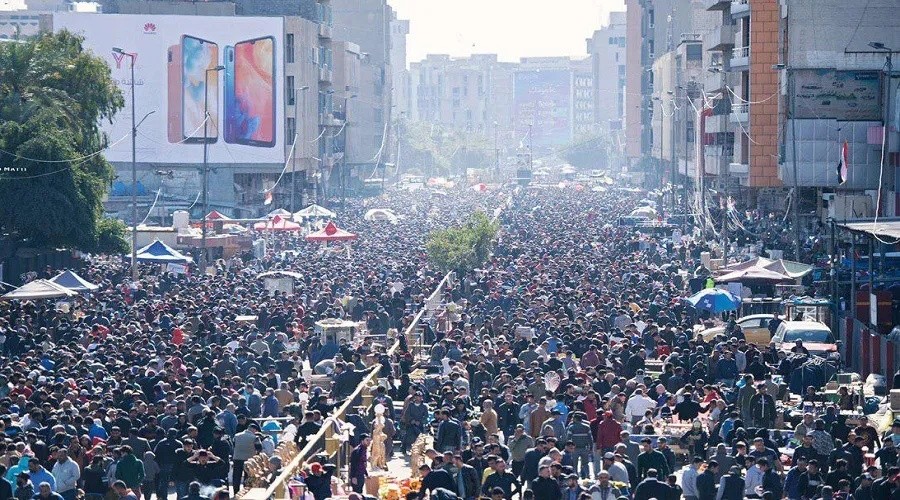
Iraq's Ministry of Planning has revealed a notable decline in fertility rates alongside improved overall development indicators. The Ministry announced Monday that the nation registers between one million and one and a quarter million new births annually, with over 70 percent of families owning their homes. Undersecretary Maher Hammad Jawhan confirmed to the official agency that findings from the general census and preceding economic-social survey show significant improvements in several indicators, particularly poverty levels. These results were foundational for the Iraqi Human Development Report. Jawhan clarified that development indicators across economic, social, and service sectors are expected to continue improving nationwide until late 2025, despite ongoing economic challenges. He noted positive signs like increased life expectancy, enhanced service quality, and reduced disease-related mortality rates. Regarding housing, census results indicate over 70 percent of Iraqi families own their homes, while approximately 30 percent are renters. Jawhan suggested the prevalent housing crisis narrative might not fully reflect reality, as available units nearly match family numbers. However, challenges persist with aging units and informal settlements. The Undersecretary also highlighted relative improvements in infrastructure across governorates, specifically in water, sewage, and road networks. He acknowledged that while these advancements fall short of ambitions, they represent positive progress. On demographic trends, Jawhan disclosed a detected decline in the population growth rate, viewing it as a positive factor for the state's service provision capacity. He attributed lower fertility rates to multiple factors, including women's rising cultural and educational levels, and shifting social perceptions regarding family size and early marriage. Despite falling fertility and stabilized growth, the official emphasized that actual population growth has not ceased. Iraq maintains high regional demographic growth rates, posing continuous challenges for governments in ensuring essential service provision. Jawhan detailed that Iraq sees one million to one and a quarter million new births annually, underscoring the need for precise future planning to meet the demands of this increase, covering schools, health centers, housing units, and other vital services. He added that a higher future population will escalate demand for housing units. An increase of 1.25 million people, with an average family size of five to six, would require roughly 200,000 additional units. The Undersecretary stated Iraq's current population is 46,118,793. He noted a close gender distribution, with males exceeding females by only about 50,000, indicating a significant demographic balance. Jawhan concluded by confirming population projections predict Iraq's population will exceed 50 million by 2030. He stressed that this anticipated growth necessitates intensified planning for essential services, adequate housing, and robust infrastructure.