policy

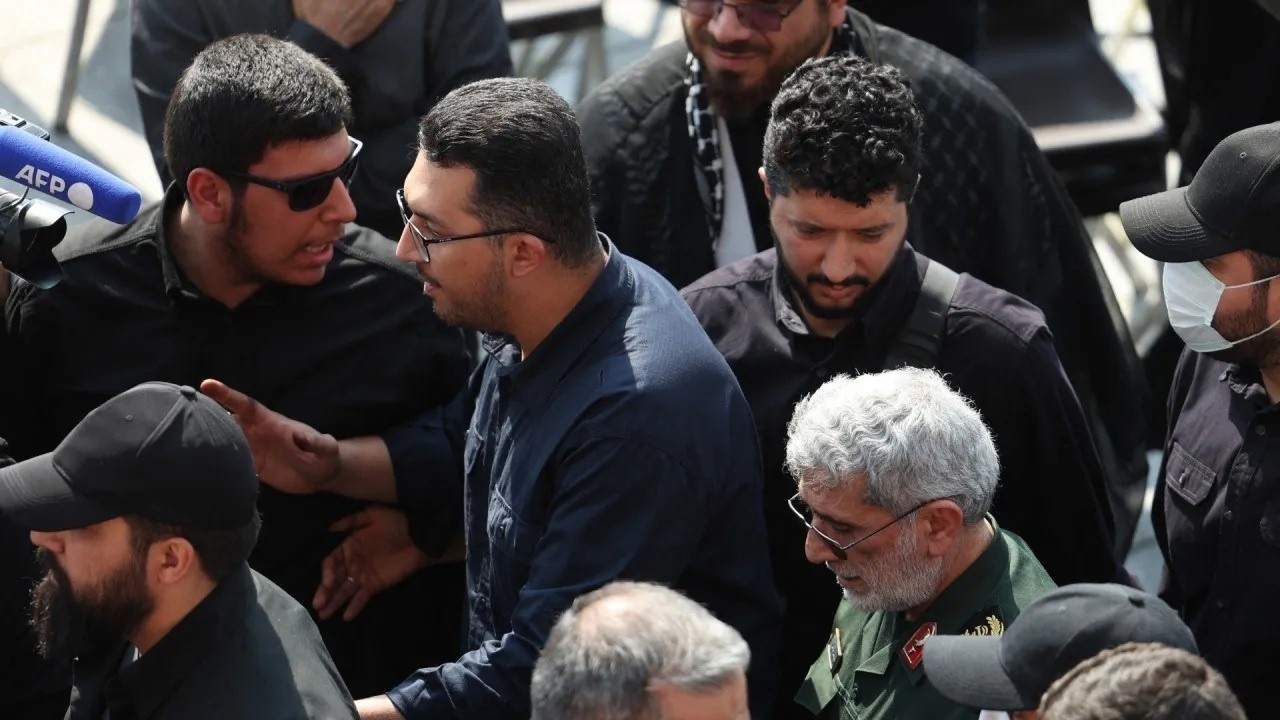
Efforts are underway in Iraq to regulate and define the framework for visits by foreign military officials and advisors, including Iranian generals and American advisors. This involves requiring them to strictly use official channels. These developments emerge within a national movement aimed at bolstering Iraqi sovereignty as a crucial deadline approaches at the end of September. September 30 marks a pivotal date, having been linked over recent months to the issue of armed factions' weapons, and coinciding with the conclusion of the international coalition's mission on Iraqi soil. Information indicates this date is viewed as a "sovereignty milestone," where the end of the international coalition's mission necessitates the removal of any justification for the presence of foreigners outside official frameworks within the country. The proposed new mechanism stipulates that any foreign military official or advisor must submit an official request for a visit to obtain a regular entry visa, with all their planned meetings with Iraqi officials being pre-determined and approved. It is important to note that no official public decision has yet been issued by the Iraqi government adopting these proposed measures. These developments follow a series of officially unannounced visits to Iraq by the commander of Iran's Quds Force, General Esmail Qaani, since Al-Zaydi assumed the premiership on May 14. Available data suggests that General Qaani has visited Iraq at least three times since that date, with at least two of these visits remaining officially undeclared. One of these unofficial visits occurred just days after a formal visit by Iranian Foreign Minister Abbas Araqchi to Baghdad in late June. Information indicates that one of Qaani's visits carried Iranian messages and requests to leaders of armed factions, urging them not to surrender their weapons to the Iraqi government. Iranian military officials have often entered Iraq via land borders, particularly during periods of escalation, such as the early stages of the conflict between the United States and Israel on one side, and Iran on the other, on February 28. In a related context, July 29 witnessed the killing of five Iranian Revolutionary Guard Corps (IRGC) advisors due to American and Saudi airstrikes targeting sites belonging to armed factions within Iraq. At the time, they were present in the Abu Muntadhar al-Mohammadi camp in Diyala province, near the Iranian border. Last March, Iraqi sources also reported the killing of an Iranian advisor working with armed factions, along with four other Iranians, in a strike that targeted a house in the Jadriya area of central Baghdad. Earlier in May, an Iraqi official had stated that some Iranian advisors had entered Iraqi territory without obtaining official entry visas. These current movements occur amidst recurring reports for years about unannounced visits by prominent officials of the Iranian Revolutionary Guard Corps to Iraq, including General Qaani, and his predecessor, the former Quds Force commander, Qasem Soleimani, who was killed in an American strike near Baghdad International Airport in January 2020. The details or itineraries of these visits, which often take place away from official announcements and include meetings with political and security figures and leaders of armed factions, were rarely disclosed publicly by either the Iraqi or Iranian sides.