Security

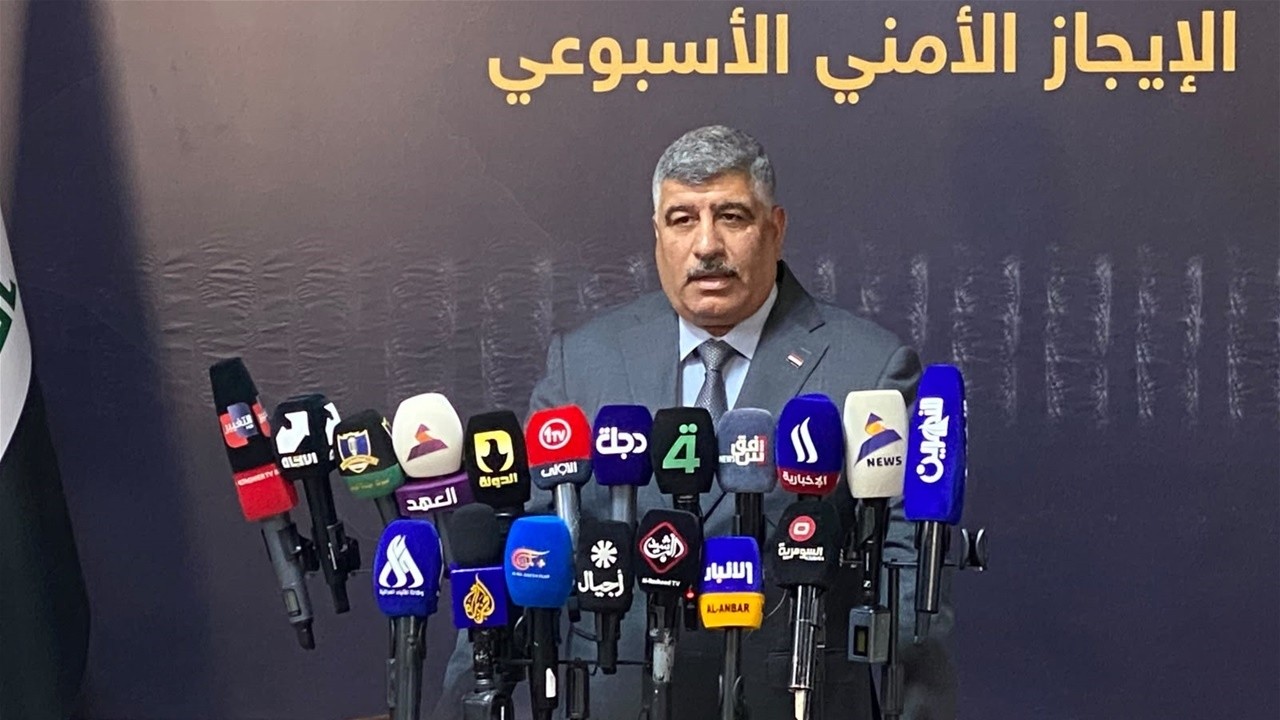
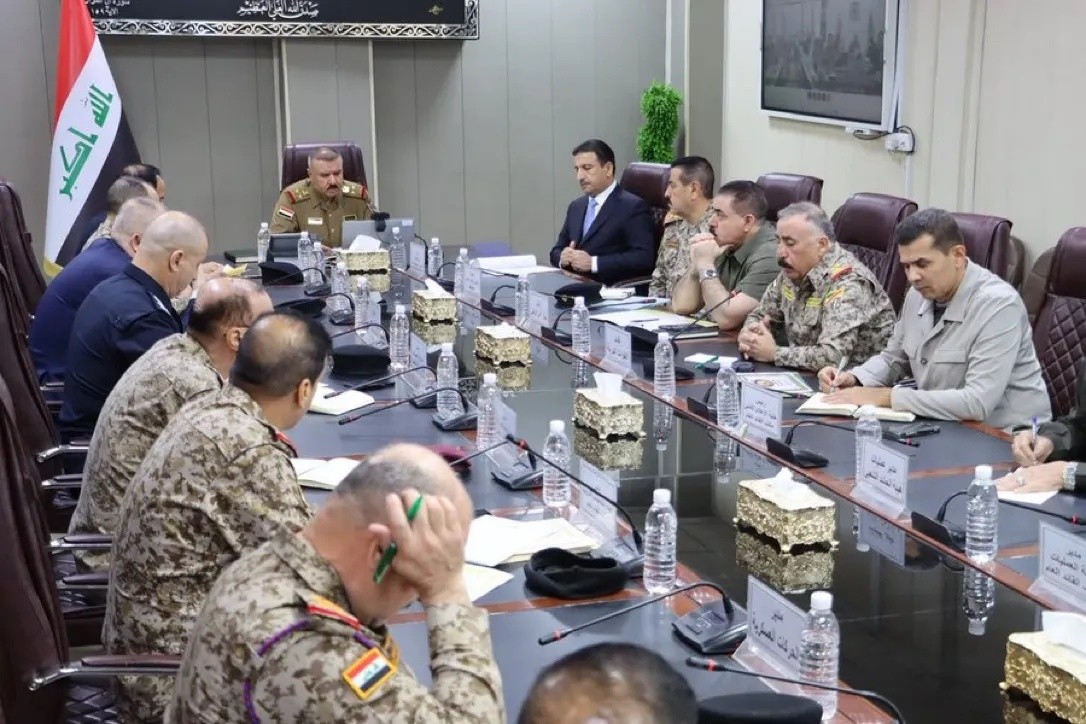
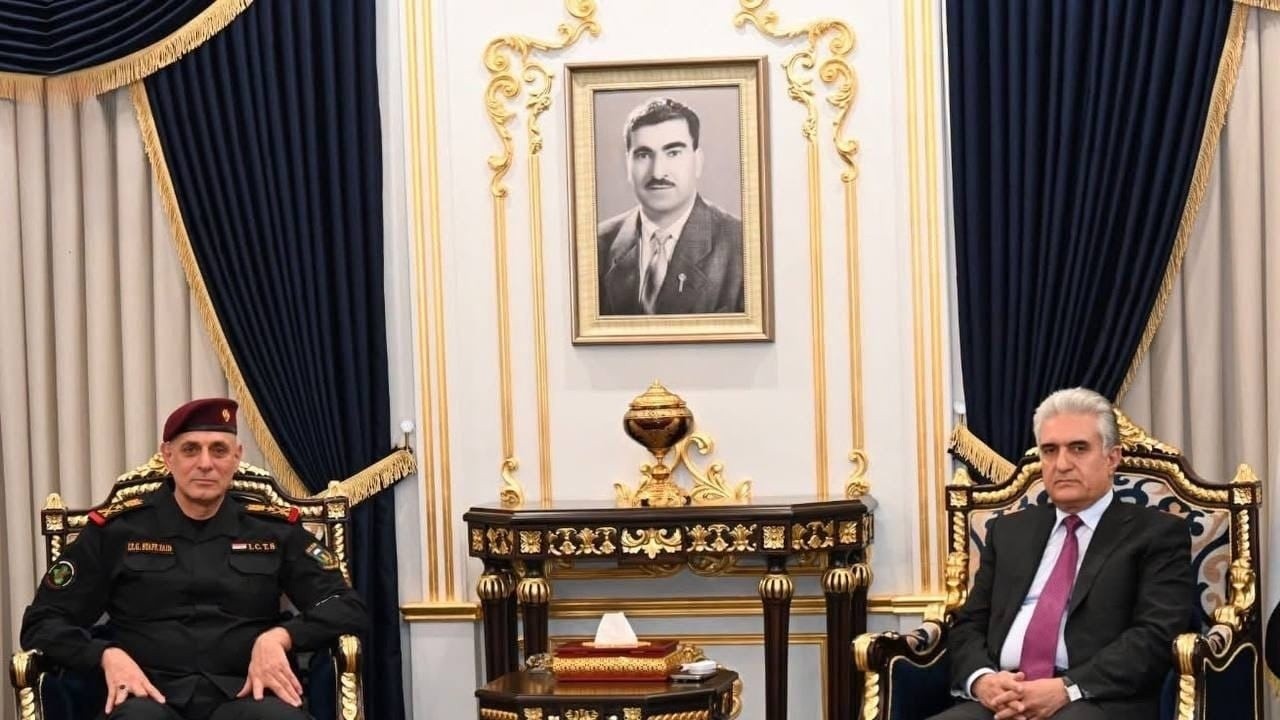
In a bid to strengthen national sovereignty and ensure internal stability, Brigadier General Sabah Al-Nu'man, spokesperson for the Commander-in-Chief of the Armed Forces, issued pivotal statements on Thursday. He unveiled a series of strategic decisions encompassing enhanced defense capabilities, improved security coordination with the Kurdistan Region, and the launch of a national anti-narcotics strategy. These announcements come as Al-Nu'man confirmed the definitive deadline for the International Coalition's mission to conclude and for US forces to withdraw. Brigadier General Al-Nu'man specified September 30 as the fixed date for foreign troop withdrawal. He emphasized this timeline as a culmination of national sovereignty and a testament to the security forces' capabilities. He affirmed the Commander-in-Chief's office actively monitors the situation, providing all necessary logistical support to expedite the withdrawal, now that the military threat from the ISIS terrorist organization has been fully neutralized. Further, to fortify Iraqi airspace, the military spokesperson announced the imminent arrival of advanced air defense systems, procured through agreements with South Korea, Turkey, and the United States. Al-Nu'man underscored this initiative as a paramount priority for effectively enhancing national airspace protection. Regarding internal security coordination, Al-Nu'man detailed that the past week saw a high-level security meeting, overseen by the Commander-in-Chief, with military and Peshmerga leadership participating. The session yielded urgent recommendations to support joint security brigades and secure border crossings. He also disclosed an agreement with the Kurdistan Regional Government for the direct handover of wanted individuals to the joint coordination center, thereby circumventing prior bureaucratic obstacles. Addressing the narcotics challenge, Al-Nu'man reported the Commander-in-Chief's directive to adopt a comprehensive national strategy aimed at ridding Iraq of this menace. This strategy rests on three pillars: deterrence and prosecution of traffickers, rehabilitation of users, and intensified public awareness. He added that the law permits treating cooperative users as "informants or witnesses," confirming full financial and moral backing for the Anti-Narcotics Directorate, which is also required to submit monthly impact reports. Concluding, Brigadier General Sabah Al-Nu'man reaffirmed law enforcement's ongoing commitment to securing peaceful demonstrations and facilitating the submission of demands to government bodies for resolution. He also highlighted stringent judicial directives for firm action against anyone propagating rumors or extremist discourse, warning against attempts to destabilize the nation.