Technology

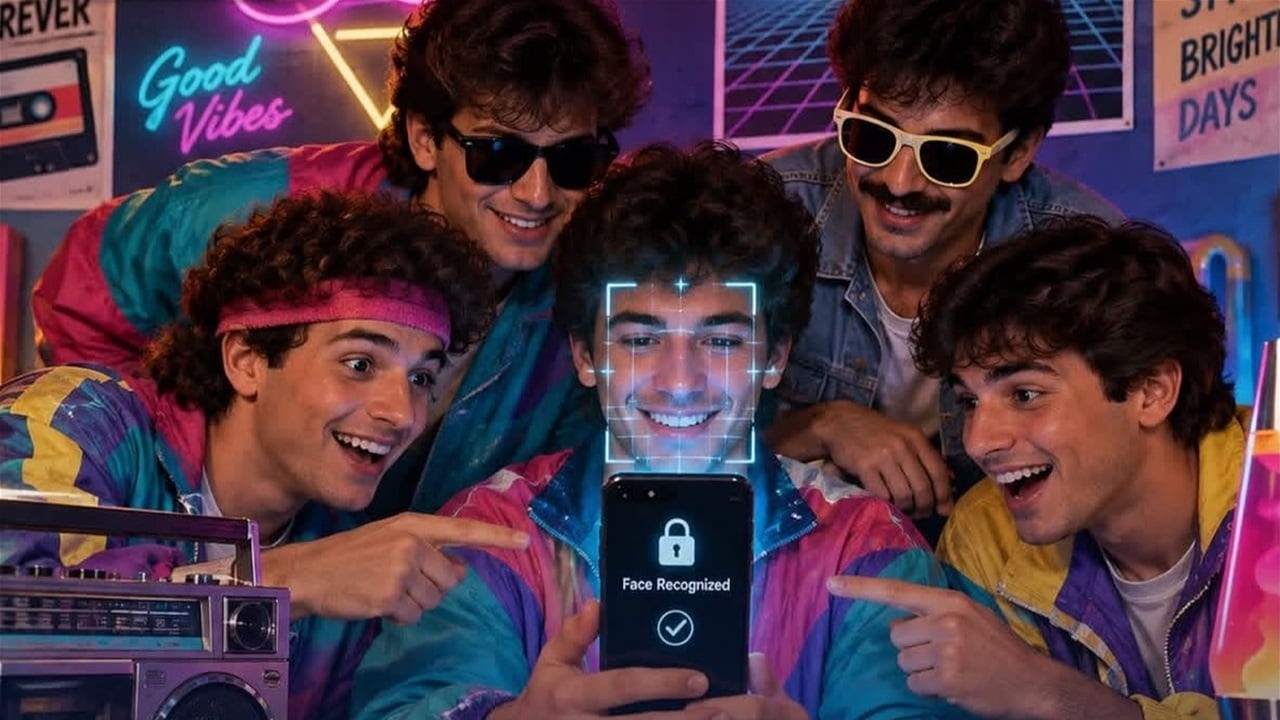
Social media platforms consistently witness powerful waves of nostalgia, drawing millions of users to bygone eras. The latest, the "80s trend," quickly swept across smartphones, transforming personal profiles into cinematic snapshots from the past. This trend features wide sunglasses, bold hairstyles, and classic denim jackets, reviving the charm of vibrant colors rarely seen today. However, behind this apparent charm and delight, a dark side emerges, cautioned by cybersecurity experts. They warn that this widespread interaction may not merely be innocent entertainment but could represent a sophisticated technical trap designed to lure users into providing their most valuable asset: sensitive biometric data. These applications and websites capitalize on enticing users to upload their personal photos to recreate the era's atmosphere through artificial intelligence algorithms. Yet, the underlying software mechanism of these operations raises considerable suspicion. Upon photo upload, the system conducts a highly precise scan of the facial topography and extracts the exact dimensions that constitute one's unique biometric fingerprint. This data is identical to that relied upon by modern devices for phone unlocking and identity verification. The danger here escalates from a mere photo leak to a direct threat to one's digital and financial security. While a compromised password can be changed in seconds, it is impossible to alter facial features if your biometric print falls into the hands of hackers. Biometric data is now widely used to confirm banking transactions in most banking applications, making accounts vulnerable to breach. Furthermore, images can be exploited using Deepfake technologies to produce highly convincing fake videos, which may be used for fraud or blackmail. This vast database of information might also be sold on the "Dark Web" to fuel surveillance and facial recognition systems without user consent. The situation grows more complex with the proliferation of unknown external links, which promoters claim offer superior results. These links often contain malicious software or phishing pages designed to completely compromise the phone and gain access to the entire photo gallery. To avoid falling into these traps without depriving oneself of the enjoyment of participating in digital trends, experts recommend strictly avoiding any unknown external links. Users should rely solely on the integrated tools and filters within trusted applications like Instagram or TikTok. Additionally, it is crucial to carefully manage permissions, reviewing privacy policies and revoking camera and gallery access permissions immediately after finishing use of the application. Ultimately, while nostalgia remains an inherent part of human nature cleverly exploited by smart applications, sacrificing digital caution for a "fake 80s photo" could incur significant costs in the present and future.