Global

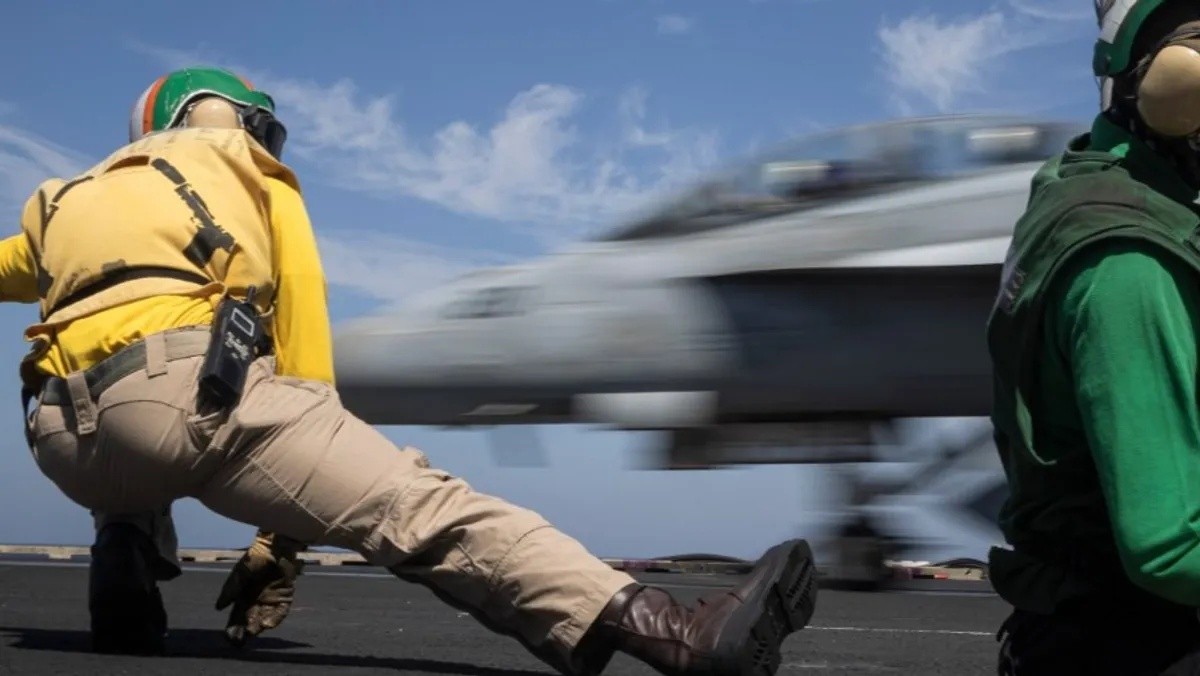
U.S. forces in the Middle East are preparing for the possibility of launching extensive military operations against Iran, potentially targeting energy facilities, military sites, and nuclear installations, within 96 hours of receiving orders from President Donald Trump, according to two U.S. officials. These preparations come amid indications that the Trump administration is considering options beyond limited strikes aimed at maintaining the status quo in the conflict with Iran, while Israel continues to pressure for the resumption of attacks, amid concerns about potential Iranian retaliation and possible Houthi attacks on U.S. forces and facilities in the region. The officials stated that the currently deployed forces in the area are sufficient to carry out the potential strikes, which may exceed what was previously described as "mowing the grass"—limited strikes targeting Iranian assets that can be quickly rebuilt, such as radars and launch platforms. This approach has been followed by Washington since it halted large-scale combat operations earlier this year. One official described the potential operation as "large-scale," a view echoed by current and former U.S. officials familiar with internal military planning discussions, who believe it is a matter of when, not if, Trump will issue the order. They anticipate the order could come at any time before the end of the year, with a higher likelihood after the U.S. midterm elections. Officials acknowledge that executing new operations may be more challenging, as Iranian forces have become more familiar with U.S. military tactics, potentially limiting the U.S. military's ability to effectively destroy all designated targets. CENTCOM leaders and the Pentagon are compiling a broad list of potential targets, including Iran's energy infrastructure, military installations, and nuclear sites. Trump has not yet finalized his course of action post-midterms but appears inclined toward ordering wide-ranging operations, though he has previously shown tendencies to initiate actions and then retract them at the last moment. The White House declined to comment on these reports, while a senior Pentagon official confirmed that the department is responsible for planning and executing military options as directed by the president. The risk of a full-scale war between the U.S. and Iran is increasing as the conflict enters a new phase where security threats and political calculations intertwine. Recent U.S. intelligence assessments indicate that Iran and the Houthis are taking seriously the possibility of renewed U.S. and possibly Israeli attacks, according to two additional sources familiar with the matter. These sources suggest that any new U.S. and Israeli military operations against Iran would likely provoke a swift Iranian response targeting U.S. personnel and facilities across the region and possibly beyond. Previously, U.S. intelligence noted a significant increase in Iranian efforts to target American personnel, with advanced targeting plans in the Middle East and other countries. Intelligence officials believe Iran will not initiate preemptive escalatory attacks but will not hesitate to respond if U.S. or Israeli forces strike first. The regional threats posed by Iran and the Houthis are among the reasons the U.S. is quietly continuing to reduce its diplomatic and military presence in the Middle East in the coming days. Non-essential U.S. military personnel scheduled for deployment to the Middle East have been notified of cancellation. CENTCOM's commander recently visited the Strait of Hormuz, where U.S. forces continue to enforce a blockade on Iranian ports and assist navigation through this vital passage. The commander reaffirmed the U.S. commitment to ensuring freedom of navigation in the Strait despite ongoing tensions and elevated oil prices driven partly by fears of Iranian attacks. The current situation in the Strait is deemed unsustainable long-term, potentially prompting military action unless diplomatic efforts yield last-minute progress. President Trump stated that the only question regarding Iran is whether to make a deal or eliminate it entirely, denying any imminent attack plans. He mentioned having differing intelligence assessments on Iran but noted progress in dealing with Tehran. Trump highlighted close monitoring of the "Mountain of Axes" site near Iran's Natanz uranium enrichment facility, a heavily fortified location with deep tunnel complexes, hinting at possible strikes despite Iranian claims of no nuclear activity there. Meanwhile, the Israeli Prime Minister is pressing for new attacks on Iran, but U.S. officials have urged postponement until joint operations can be prepared. One reason for the delay is a warning about the potential impact on Israeli elections. Israel is preparing for possible joint operations with the U.S. after the midterms, enhancing readiness. Intelligence assessments indicate Israel has not defined a clear strategic objective beyond weakening the Iranian regime, although the Prime Minister has stated his directive to military and intelligence agencies is to "topple the regime." The need for U.S. support in missile defense, amid depleted Israeli defensive ammunition stocks from recent conflicts, is among the reasons for delaying new strikes, especially considering potential Iranian and Houthi retaliation.