Eco

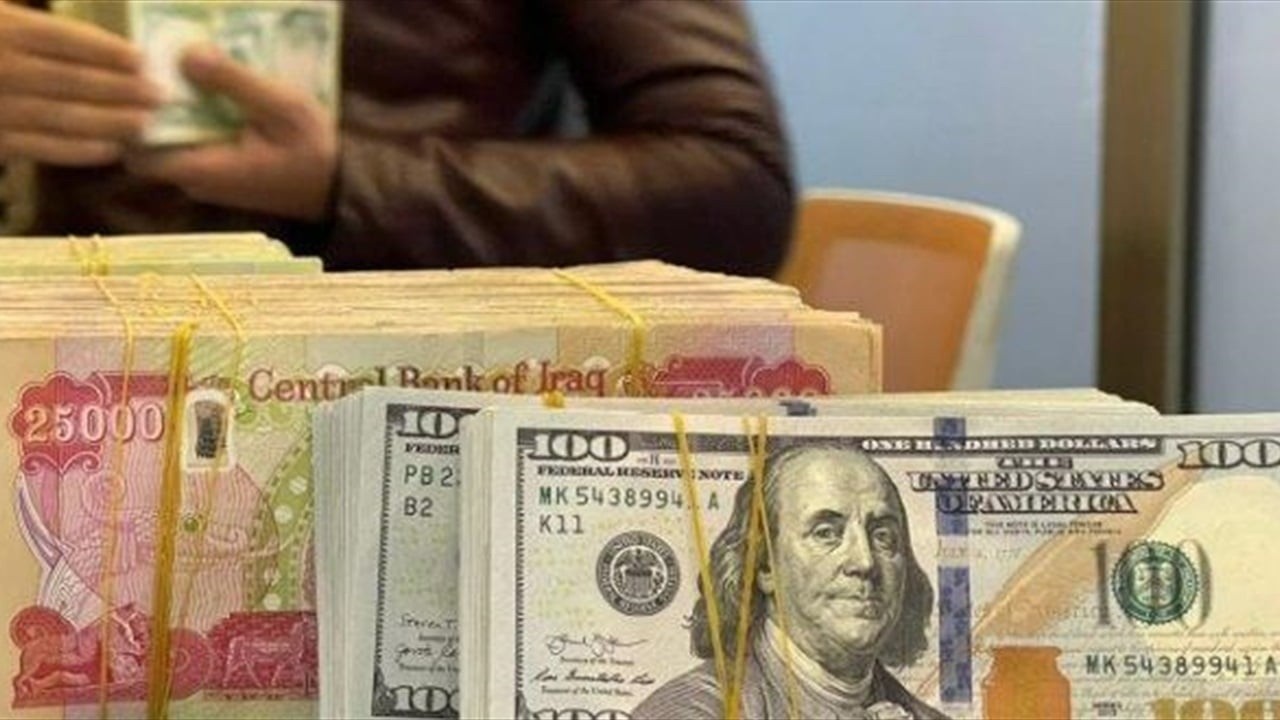
Amidst the current economic landscape, living challenges emerge as a prominent issue capturing public attention, as citizens' incomes and purchasing power fluctuate alongside ongoing financial shifts. In this context, economic expert Nabil Al-Marsoumi warned of the severe potential repercussions that any decision targeting the devaluation of the Iraqi Dinar could have on general poverty rates, expressing deep concern over potential local price hikes and declining household purchasing power. He explained that specialized economic studies and estimates indicate a broad segment ranging between one million three hundred thousand and two million Iraqi citizens are vulnerable to the real risk of slipping below the poverty line as a direct result of these prospective financial changes. Providing an analytical read of official indicators, Al-Marsoumi drew upon data issued by the Central Statistical Organization, which showed a relative decline in the overall poverty rate across various regions of the country, including the Kurdistan Region, reaching about sixteen percent, recording a noticeable decrease compared to about twenty-five percent registered during the year twenty-twenty. Regarding the geographical distribution of these rates, Al-Muthanna Governorate topped the list of the highest poverty governorates at a rate of forty-three point six percent, followed by Babylon Governorate at thirty-four point four percent, then Al-Qadisiyah Governorate at twenty-eight point nine percent, while Basra Governorate ranked fourth at twenty-seven point nine percent, whereas Erbil Governorate recorded the lowest poverty rate nationwide at five point nine percent. In a related context, the economic expert highlighted details of an analytical study presented by the head of the Independent Research Group, Munqith Dagher, which pointed out that any move to devalue the national currency by fifteen percent would negatively impact markets, leading to a wave of inflation where commodity and service prices rise by between five and ten percent. The study itself indicated that every one percent price increase is met by a surge in the population falling below the poverty line by about seventy-five hundredths of a percent. Based on this proactive equation, reducing the value of the dinar by the mentioned percentage entails expanding the poverty circle to affect an additional three to four point five percent of the total population, which ultimately leads to adding new numbers exceeding one million citizens among deprived and low-income categories.